


Antique Store and Consignment Shop Security: Protecting One-of-a-Kind Inventory That Belongs to Everyone
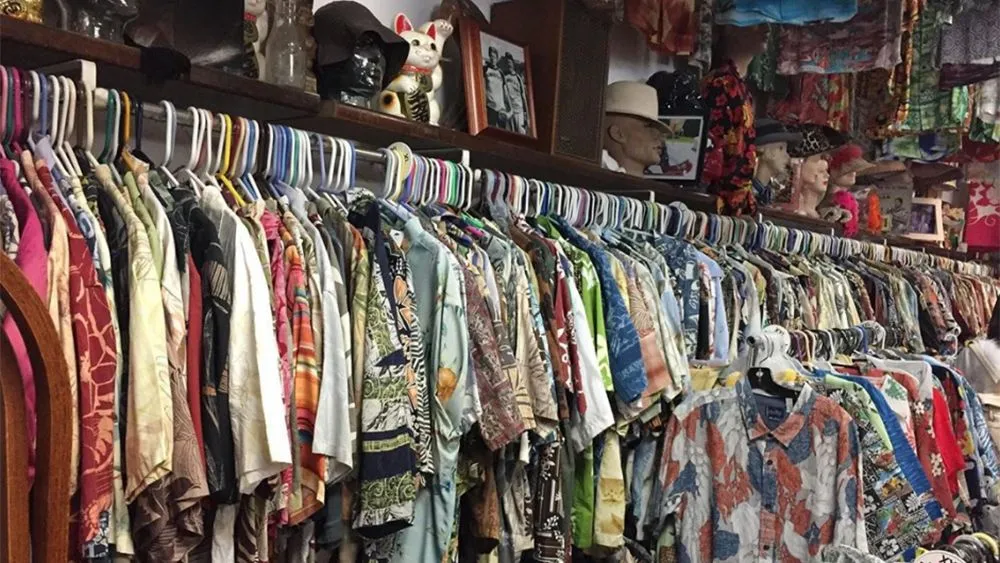
Antique and consignment retail carries a custody weight ordinary stores never feel: much of the inventory isn't the store's. Consigned goods, dealer-booth merchandise in antique malls, and estate pieces on commission mean every theft is a conversation with an owner—and every loss costs the trust the whole business model runs on. Add inventory that's literally irreplaceable (there is no reorder on a one-of-a-kind piece), sprawling multi-booth layouts nobody can fully watch, and the jewelry, coins, and small valuables the trade concentrates, and the category's security picture is far more serious than its charming storefronts suggest.
For antique mall operators, consignment shop owners, and dealers across the Midwest, here's the picture.
How Antique Retail Gets Hit
Small-valuables theft. Jewelry, coins, watches, sterling, and pocketable collectibles—the trade's highest-value-per-ounce goods, targeted by concealment thieves and the knowledgeable pickers who steal precisely what they can flip.
The multi-booth blind spot. Antique malls run acres of aisles and booths with a front counter and skeleton staff—an unwatchable geometry thieves exploit systematically. Dealers eat the losses, and the malls that can't control theft lose their best dealers to the ones that can.
Switch and tag fraud. Price-tag swapping and item substitution—the trade's quiet drain, enabled by handwritten tags and volume.
Distraction teams. The jewelry-store pattern at the antique counter: one occupies, others work the cases and booths.
After-hours burglary. Buildings full of gold, sterling, coins, firearms (some shops), and portable value—smash-and-entry targets whose losses hit dozens of consignors at once.
The Antique Trade Security Program
Case discipline for the small valuables: locked cases for jewelry, coins, and precious metals—keys controlled at the counter, one-item-out practices for high-value showings, and the counter positioning that keeps cases in permanent sightline.
Mall-layout countermeasures: mirrors and camera coverage through the aisles, booth-design standards that eliminate hidden corners, staff floor-walks on schedule, and a dealer-reporting culture that surfaces the patterns (the same picker hitting multiple booths) fast enough to act.
Tag and transaction integrity: tamper-evident tagging for value items, photographed inventories for consigned goods (the custody file that settles every "it was worth more" conversation), and switch-alert training at the register.
After-hours protection: monitored alarms, storefront hardening, and overnight patrol coverage—randomized checks defending a building whose contents can't be reordered, with post-incident escalation because burglars who found sterling come back for the rest.
Event and estate-intake security: presence for the big days—estate-collection intakes, appraisal events, and the sales that concentrate crowds and cash.
Protecting Other People's Treasures
The trade's promise to every consignor and dealer is custody: your goods are safe with us. The shops and malls that visibly keep that promise—cased valuables, watched floors, patrolled nights—win the best inventory in their market, because owners consign where they trust. Altais Private Security serves antique malls, consignment shops, and dealers across the Midwest—floor-coverage programs, overnight patrols, event security, and custody-grade documentation practices.

Every piece in your shop is somebody's story. Contact Altais Private Security for a free consultation and keep them all safe.



Find Us On


