


Auto Parts Store Security: Protecting the Retailer at the Center of the Vehicle-Theft Economy
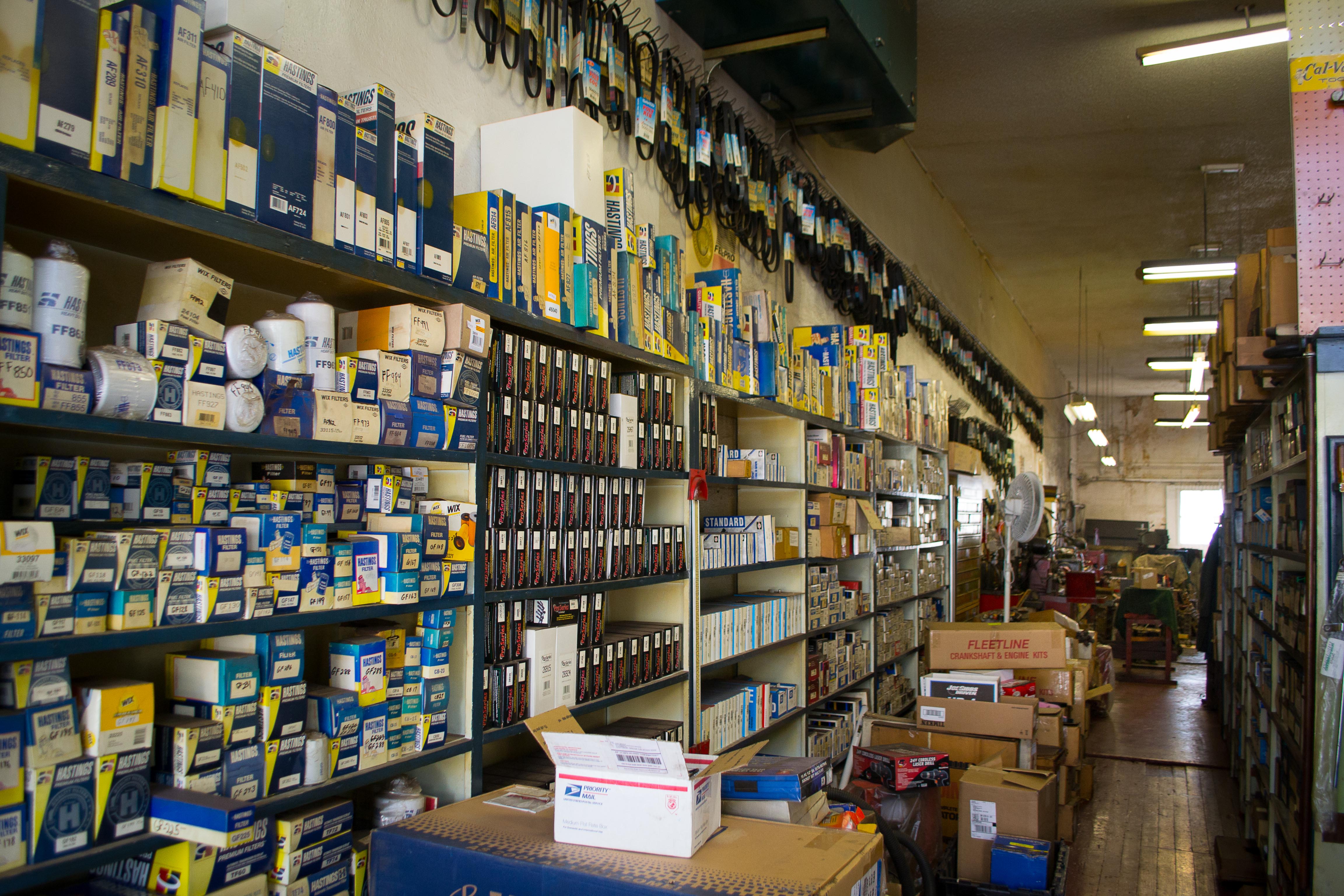
Auto parts retail sits in a strange position in the vehicle-crime economy: the stores stock exactly the categories thieves target everywhere else—batteries, catalytic-converter-adjacent components, tools, and electronics—while serving a walk-in public in stores designed for open browsing, running commercial delivery fleets, and anchoring lots where customers wrench on cars in the parking spaces. Parts stores face relentless shoplifting (the category ranks high on every organized-retail-crime list), burglaries targeting inventory by the shelf, and the fleet and lot exposures of their own operations.
For parts store owners, franchise operators, and multi-store chains across the Midwest, here's the playbook.
How Parts Stores Get Hit
Boosting the resale categories. The daily drain: batteries (heavy but valuable and instantly sellable), power tools and diagnostics, additives and chemicals by the armload, and the small-electronics wall—all boosted by opportunists and route crews who flip through the same informal channels absorbing everything automotive.
Grab-and-run brazenness. The category's rising pattern mirrors beauty supply: open grabs—batteries off the rack, tools off the wall—and out the door, betting correctly that staff won't chase. The no-pursuit rule needs to be policy, in writing, because a confrontation over a battery is never worth what it risks.
After-hours burglary. Smash entries for shelf-quantity theft—tool inventories, batteries by the cartload, and the counter electronics—plus the stockroom-targeting hits at commercial-heavy stores.
Delivery fleet exposure. Parts delivery vehicles run all day and park overnight—the standard fleet menu: break-ins for onboard inventory, catalytic converters cut from the very vehicles delivering replacement parts (the category's grim irony), and fuel theft across the rows.
Lot activity. Customer installs in the parking spaces, loitering, and the after-hours gathering parts store lots attract in many corridors.
The Parts Store Security Program
Merchandising against the boost: high-theft tools and electronics in locked cases or behind the counter, battery racks positioned in sightlines and away from doors, and the greeting-culture and layout discipline that eliminates unwatched aisles.
Staff protocols: observe-and-report training, the absolute no-chase rule, ORC-pattern awareness (the team clearing a category is a crew, not a customer), and incident logging that builds the route-crew case files police can actually use.
Envelope and fleet hardening: security film on the glass, monitored alarms, delivery vehicles hardened and parked blocked-in overnight, and converter countermeasures across the fleet.
The presence layer: operating-hours security for stores with active boost pressure—visible deterrence that reroutes the crews to softer stores—weighted to the evening and weekend windows the patterns run; and overnight patrol coverage across the store and fleet rows, attacking the burglary and converter-crew timing, with multi-store routes for chains and post-hit escalation everywhere it applies.
Altais Private Security serves auto parts retailers across the Midwest—store coverage, fleet-row patrols, multi-location programs, and assessments built on the category's specific theft patterns.

Your shelves supply the whole vehicle economy—including the part of it that steals. Contact Altais Private Security for a free consultation and lock the honest side down.



Find Us On


