


Bar and Restaurant Security: Keeping Late Nights Safe for Guests, Staff, and Your License
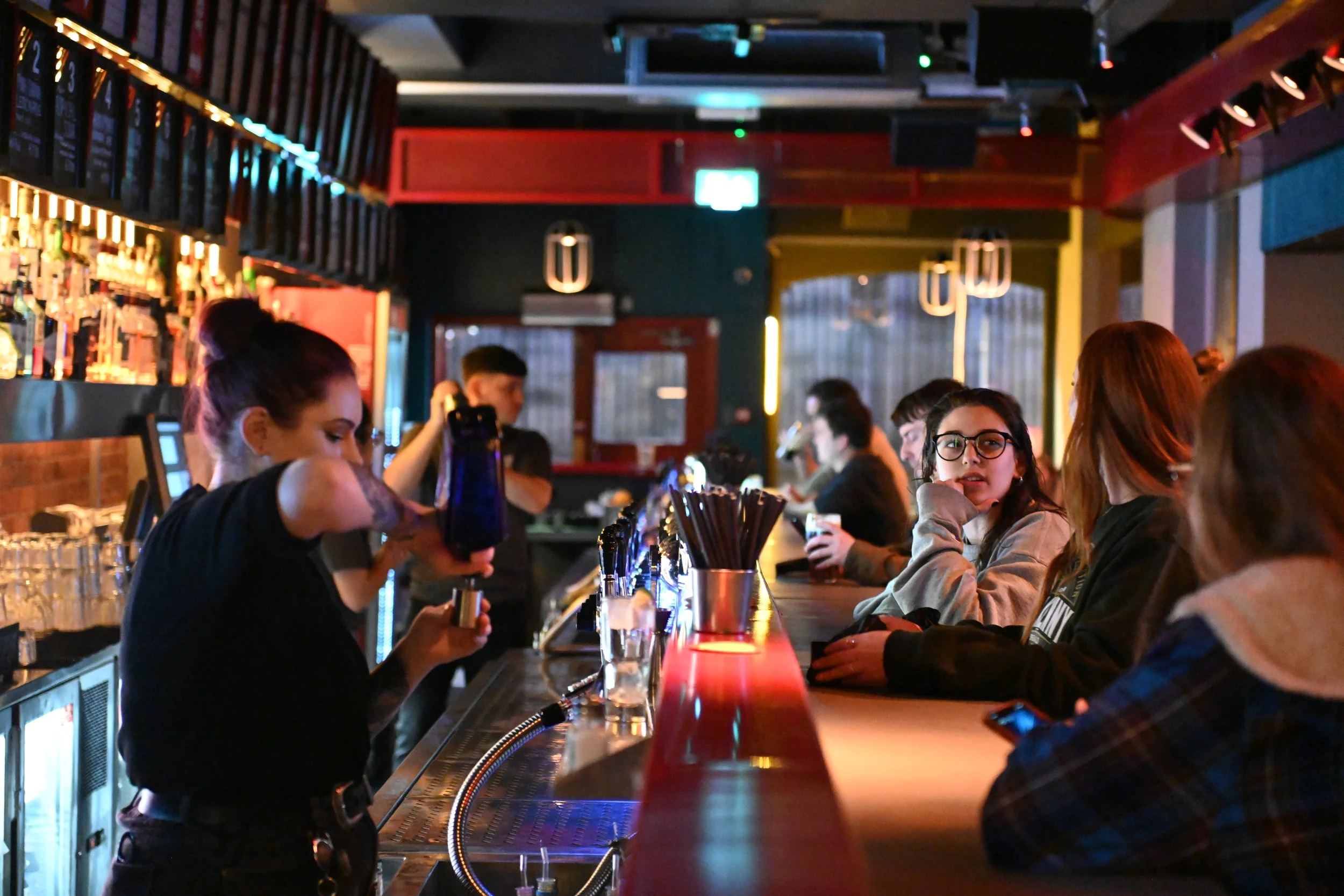
Running a bar or late-night restaurant means managing a nightly experiment in human behavior: alcohol, crowds, strangers, dating dynamics, sports rivalries, and closing-time decisions, all mixed together in your building under your liability. Most nights, the mix stays fun. But every operator knows how fast fun turns—the argument that becomes a fight, the overserved guest who won't leave, the parking lot confrontation, the incident that ends up in a police report with your establishment's name on it.
Professional bar and restaurant security exists to keep the good nights good and to handle the bad moments before they define your business. Here's what it involves and why the operators who invest in it sleep better—literally and figuratively.
What's Actually at Stake for Bar and Restaurant Owners
Your guests' safety. The foundational responsibility: people should be able to enjoy your establishment without harm.
Your staff. Bartenders cutting people off, servers dealing with aggressive tables, and employees closing at 2 AM face real risks—and hospitality workers increasingly choose employers who protect them.
Your liquor license. This is the existential one. Repeated incidents, police calls, and violations put licenses under regulatory scrutiny—and a suspended or revoked license isn't a setback; it's the end of the business model. Establishments with professional security and documented incident management fare fundamentally differently with licensing authorities than those with a growing police call log.
Your liability. Alcohol-related incidents generate serious claims—injuries from fights, overservice situations, and parking lot incidents. Documented professional security is both prevention and defense.
Your reputation. In the review era, "there was a fight" and "I felt unsafe" travel instantly. Your establishment's vibe is your product, and safety is part of the vibe.
What Professional Bar and Restaurant Security Does
Door Work That Sets the Night's Tone
The door is your first and best filter: checking IDs correctly and consistently—your license depends on it; assessing arriving guests and turning away visible intoxication or trouble before it enters; managing capacity and lines professionally; and setting the establishment's tone—firm standards delivered with hospitality. Good door security prevents most problems by never admitting them.
Floor Presence and Early Intervention
Inside, trained security reads the room continuously: watching interaction dynamics and rising tension, supporting staff on service cutoffs—backing up your bartender's judgment so the confrontation lands on a professional, not your employee; intervening in disputes at the conversation stage; and maintaining the visible presence that keeps most people's worst instincts in check.
The craft here is de-escalation. Professional security resolves the overwhelming majority of bar situations with words, positioning, and calm authority—the guest leaves, the night continues, nobody's filming anything. The stereotype of the aggressive bouncer is exactly what professional security isn't: aggression escalates rooms, creates liability, and marks the difference between trained officers and hired size.
Closing Time and Parking Lot Coverage
The final hour concentrates risk: everyone leaving at once, peak intoxication, contested rideshares and romantic disputes spilling outdoors. Security manages the exit flow, monitors the parking lot, ensures guests get out safely, and escorts your staff—who are counting cash and locking doors—through the night's most vulnerable moments.
Documentation That Protects Your License
Every incident handled gets documented: what happened, how it was resolved, who was removed and why. When licensing authorities, insurers, or attorneys come asking, that record demonstrates a professionally managed establishment—often the difference between a conversation and a consequence.
When Does an Establishment Need Security?
Honest indicators: you're open past 11 PM with meaningful alcohol volume; your capacity runs high on weekends; you've had incidents—fights, repeated police calls, problem patrons; your staff has expressed safety concerns or hesitates to cut people off; your concept draws crowds (sports bar on game days, live music, dancing, late-night kitchen); or your parking situation is isolated or has had issues.
For many operators, the right answer isn't 24/7 coverage—it's targeted staffing: security on Friday and Saturday nights, game days, events, and holiday eves, scaled to when your risk actually concentrates. That precision keeps professional security affordable for independent operators, not just big venues.
Security as Part of the Guest Experience
Here's the reframe successful operators make: security done well isn't a bummer at the door—it's part of why people choose your place. Guests, especially women, actively prefer establishments where someone is clearly keeping the environment safe. Regulars notice that troublemakers don't last long at your bar. Your best customers are precisely the ones who appreciate that you protect the room.
The right security partner understands this: officers who match your establishment's culture, treat guests like guests, and handle problems with the same professionalism your bartenders bring to the pour.
Altais Private Security provides professional security for bars, restaurants, and nightlife venues across the Midwest—door coverage, floor presence, closing-time protection, and event staffing, with officers trained for hospitality environments and the de-escalation skills late nights demand.

Keep the good nights good. Contact Altais Private Security for a free consultation today.



Find Us On


