


Cell Phone Store and Electronics Retail Security: Defending Small Stores That Hold Big-Value Shelves
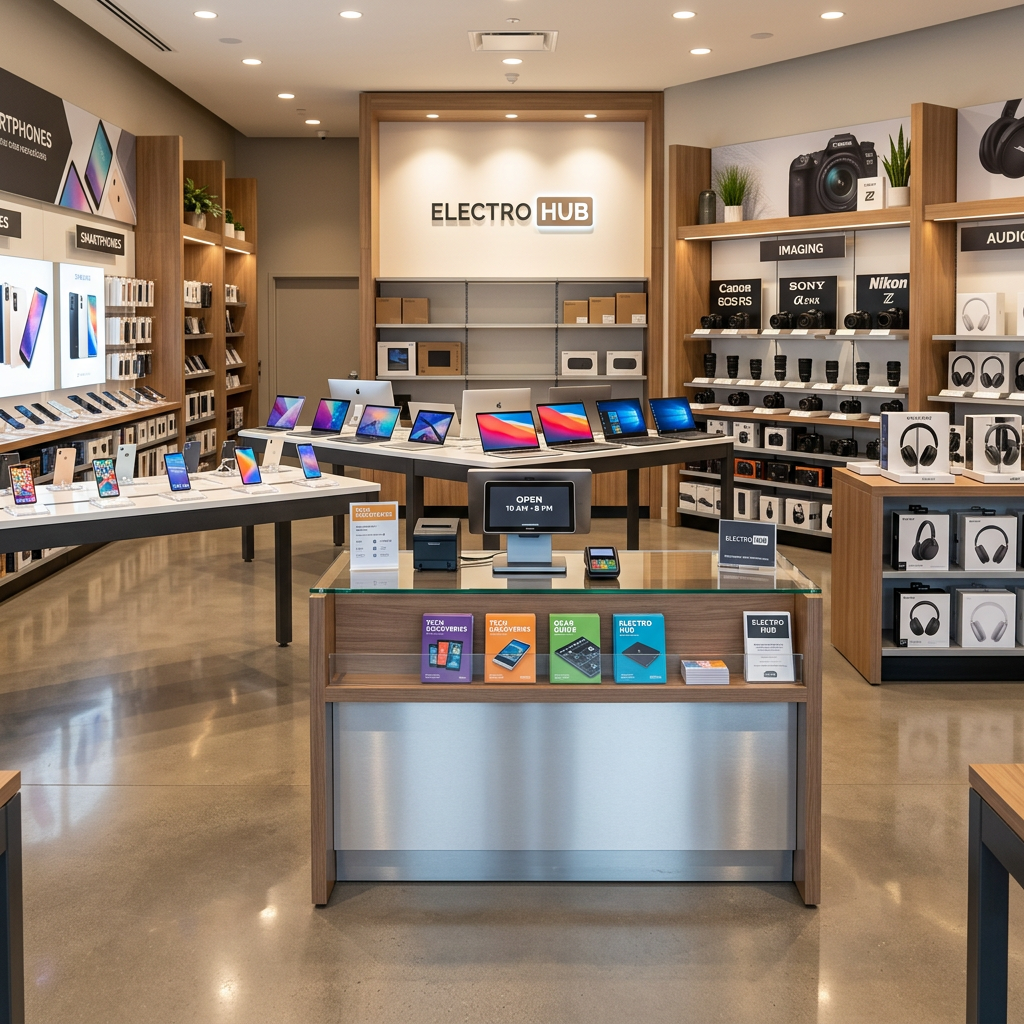
Few small stores concentrate more portable value than a cell phone shop: walls of devices worth a thousand dollars each, accessories, tablets, and back-room inventory—all in small-format retail spaces with glass storefronts and two or three employees. Criminals noticed years ago, and the category's crime pattern is now well established: smash-and-grab crews, overnight burglaries, armed robberies targeting stockrooms, and the display-device grab-and-runs that happen weekly somewhere in every metro.
For carrier stores, authorized dealers, repair shops, and electronics retailers across the Midwest, here's the category playbook.
How Phone and Electronics Stores Get Hit
Grab-and-run on displays. The daily version: demo devices ripped from tethers and out the door in seconds—fast, brazen, and repeated at stores that prove easy.
Smash-and-grab crews. The organized version: after-hours storefront smashes or business-hours case attacks, crews grabbing display walls and reachable stock in under two minutes, working store lists across a region in runs.
Stockroom-targeting robbery. The category's most serious pattern: armed robberies that move staff to the back and empty the inventory safe—criminals who know exactly where carrier stores keep the sealed devices, because the pattern has repeated nationally for years.
Burglary through every surface. Storefronts, rear doors, roof entries, and through-the-wall attacks from adjacent units—small-format electronics stores get attacked from every direction their value justifies.
Fraud at the counter. Identity-theft upgrades, account takeovers walking out with financed devices, and return schemes—the category's paper crimes, refused (when caught) in confrontations staff then absorb.
The Electronics Retail Security Stack
Deny the grab: hardened tethers and alarmed displays, dummy devices where the format allows, high-value stock never reachable from the door, and layouts that put distance and staff between the entrance and the wall.
Vault the real inventory: time-delay safes for device stock—with signage—minimal on-floor quantities, and stockroom access discipline, because the robbery pattern targets exactly the unsecured back room.
Harden the envelope: security film or laminated storefront glazing (converting the two-minute smash into a failed one), reinforced doors, shared-wall awareness, and monitored alarms zoned to the stockroom.
Train for the pattern: compliance-first robbery response, no-pursuit rules for grab-and-runs, fraud red-flag training, and closing protocols that never leave one employee alone with the safe.
Add the response layer: for stores in active-crew regions or with incident history, business-hours security presence ends the grab-and-run calculus and deters the case-attack scout on sight; overnight patrol coverage attacks the burglary-timing math with randomized checks; and post-incident escalation covers the repeat window every electronics-crew pattern includes. Multi-store dealers cover their footprint with patrol routes—one program, every location.
The Franchise and Carrier Dimension
Authorized dealers answer to carrier loss standards, insurance requirements, and franchise agreements that increasingly specify security measures. Documented professional coverage—officer logs, patrol records, incident reports—speaks that language directly, protecting the store and the dealership agreement at once.
Altais Private Security protects cell phone stores and electronics retailers across the Midwest—business-hours presence, overnight patrols, multi-location programs, and post-incident response built on the category's known patterns.

Your shelves hold a car's worth of devices. Contact Altais Private Security for a free consultation and defend them like it.



Find Us On


