


Community College and Trade School Security: Protecting Open Campuses That Teach Everyone
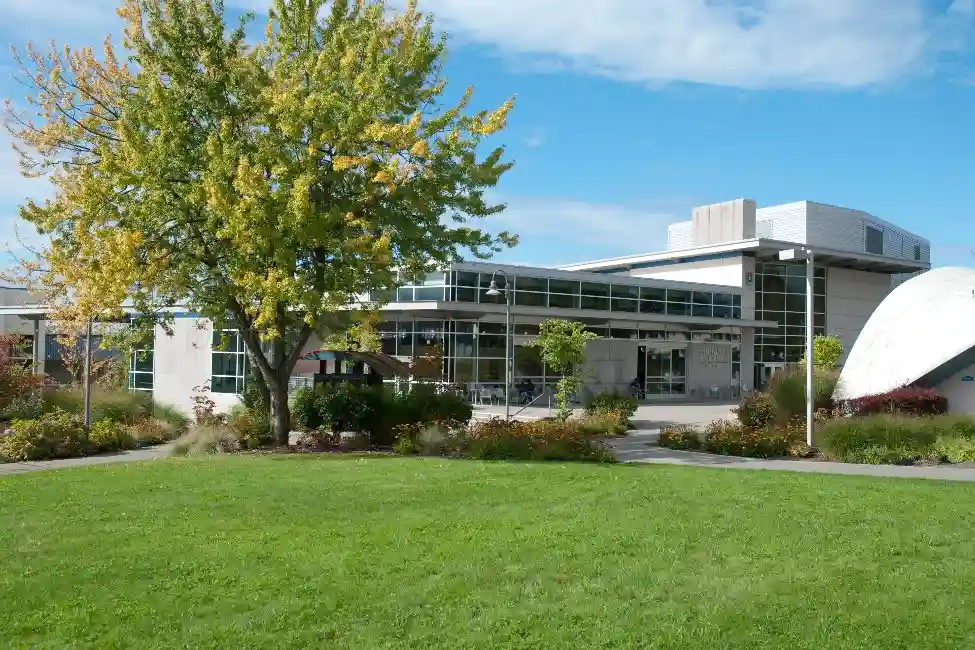
Community colleges and trade schools run the open-access version of campus security: no dorm gates, no residential perimeter—just commuter campuses serving everyone from teenagers to retirees, with night classes running past 10 PM, parking lots turning over all day, shop and lab buildings full of trade equipment, and public-institution mandates that keep the doors open to the communities they serve. The security picture blends the public-building challenge (serve everyone, manage everything that walks in) with campus-scale geography and the specific exposures of teaching trades: welding shops, automotive labs, and tool cribs that hold contractor-grade inventory on academic budgets.
For college administrators, trade school operators, and campus facilities leaders across the Midwest, here's the commuter-campus program.
The Commuter Campus Security Picture
Parking lots as the campus's incident zone. Commuter campuses live in their lots: students arriving and leaving across sixteen-hour days, vehicle break-ins working the predictable class-block timers, and the night-class walkouts—students and instructors crossing dark lots at 10 PM—that drive the campus's real safety concerns and its climate-survey results.
Open buildings, open access. Public campuses admit the public: the wanderers, the non-students, and the occasional individual in crisis arriving at student services—the library-and-public-building picture across a multi-building footprint, absorbed by front-line staff and faculty.
Trade-shop inventory. The trade-school specific: automotive labs holding vehicles and diagnostic equipment, welding and machining shops full of tools and metals, construction programs with materials and equipment—contractor-theft targets concentrated in buildings that empty at night, with tool-crib shrinkage the internal version.
Campus population dynamics. Dual-enrolled high schoolers alongside adults, contentious academic and financial-aid conversations, the flagged situations (protective orders, disputes) that follow students to the one address their schedule publishes, and the threat-assessment obligations modern campuses carry.
Events and community use. Campuses rent theaters, gyms, and halls to the community—importing the multi-use venue picture onto academic grounds.
The Commuter Campus Security Program
Lot and night-class coverage—the core: patrol presence through the parking geography with weighting to evening blocks, escort availability for night-class walkouts (the service that answers the campus's top-reported concern directly), and the lighting-and-sightline discipline lots need audited annually.
Building presence: coverage at the high-traffic buildings—student services, library, and the front doors that absorb the public—providing the trained response front-line staff shouldn't improvise.
Trade-shop protection: access control and tool-crib accountability in the shop buildings, serial documentation across program equipment, and overnight patrol attention to the labs—the contractor-yard playbook applied to educational inventory.
Situation and threat-response support: coverage for flagged individuals and elevated periods, coordinated with campus threat-assessment processes, and presence for the sensitive conversations (dismissals, aid disputes) that occasionally warrant it.
Event staffing: coverage for the community-use calendar—performances, tournaments, and rentals—at the standard each event's profile requires.
Altais Private Security serves community colleges, trade schools, and career campuses across the Midwest—lot patrols, night-class coverage, shop-building protection, and campus programs built for open-access institutions.

Your campus teaches the whole community. Contact Altais Private Security for a free consultation and keep it safe for everyone it serves.



Find Us On


