


Crowd Management for Concerts and Festivals: How Professional Security Keeps Large Events Safe
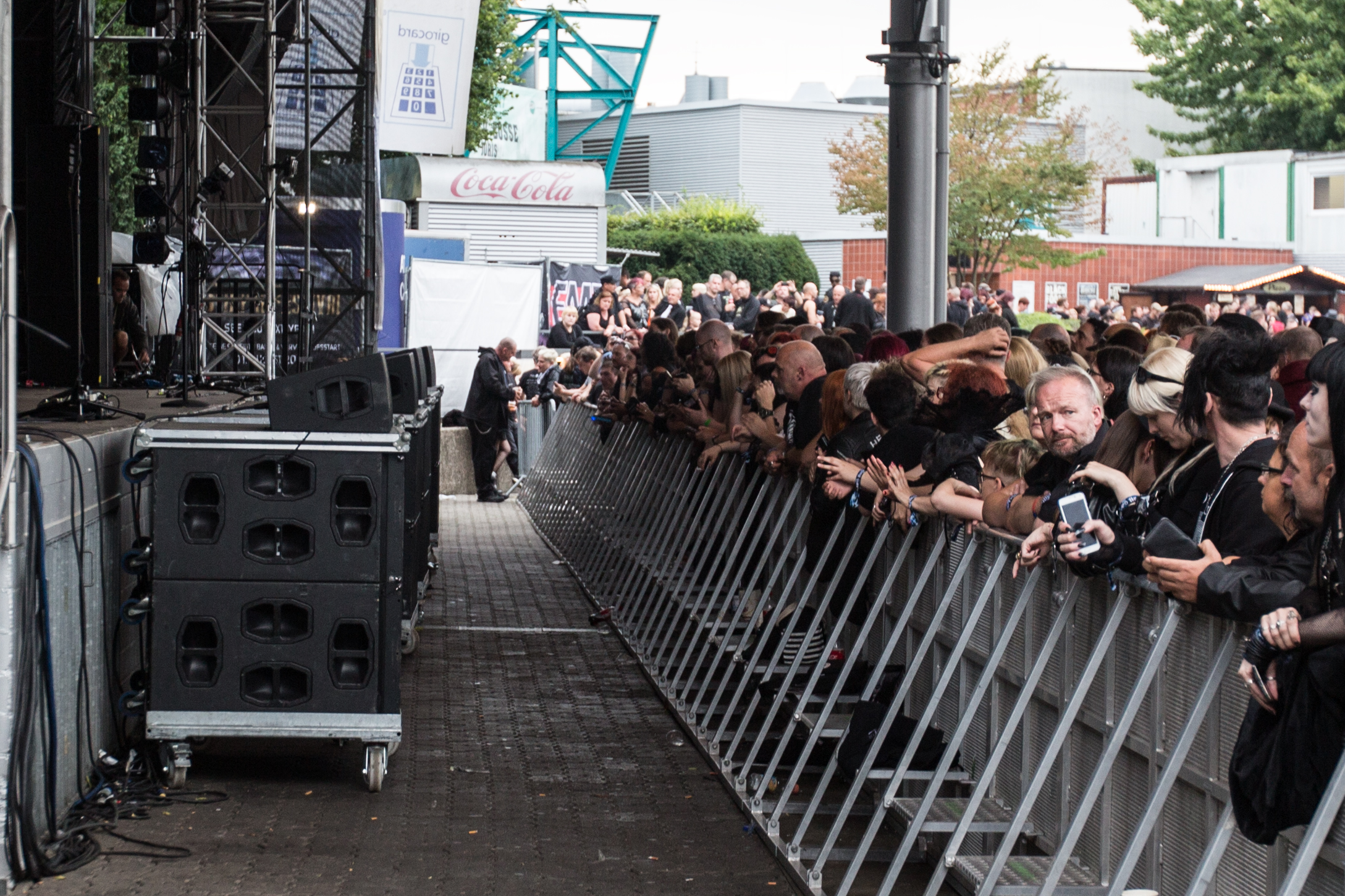
Anyone who has stood in a packed crowd as the headliner takes the stage knows the energy of a live event—and anyone who has organized one knows the responsibility underneath it. Concerts, festivals, and large public gatherings concentrate thousands of people, alcohol, excitement, and unpredictability into one space for hours. When crowd management is done well, nobody notices it. When it's done poorly, it becomes the only thing anyone remembers.
If you're organizing a concert, festival, fair, or any large-scale gathering in the Midwest, here's what professional crowd management actually involves—and why it's the backbone of every safe event.
Why Crowds Are a Unique Security Challenge
Crowds behave differently than individuals. Density changes movement, communication, and decision-making. A minor incident that would resolve itself in an open space—a stumble, an argument, a medical issue—can escalate quickly in a packed crowd where people can't see, can't move, and can't hear instructions. The most serious crowd incidents worldwide share common threads: overcrowded areas, blocked or inadequate exits, poor communication, and no trained personnel managing flow.
That's the core insight of professional crowd management: you're not just watching people—you're managing space, density, and movement continuously throughout the event.
The Elements of Professional Event Crowd Management
Pre-Event Planning
Great crowd management is mostly decided before the gates open. Professional security teams work with organizers on venue capacity and layout analysis—how many people, through which entrances, into which spaces; ingress and egress design—entry lanes, exit routes, and emergency evacuation paths that stay clear; choke point identification—the bottlenecks near stages, bars, restrooms, and merch booths where density builds; staffing plans—how many officers, positioned where, with what assignments; and coordination protocols with local police, EMS, fire, and venue staff.
Entry Management and Screening
The gate sets the tone for the entire event. Professional security handles ticket verification and guest flow, bag checks and prohibited item screening, managing lines so waiting crowds stay orderly and safe, and identifying problems—intoxication, aggression, prohibited items—before they enter, when they're easiest to handle. A well-run entry gets thousands of people inside smoothly while quietly filtering out the issues that would otherwise surface mid-event.
Active Crowd Monitoring
Once the event is live, trained officers watch what untrained eyes miss: density building in sections of the crowd before it becomes dangerous; crowd mood shifts—the difference between high energy and rising tension; individuals in distress—medical issues, severe intoxication, panic—who can't always call for help in a loud, packed venue; and developing conflicts, addressed early while they're still conversations.
Positioning matters enormously: officers at stage barricades, in elevated observation points, moving through the crowd, and covering the perimeter create overlapping awareness across the entire venue.
Alcohol and Behavior Management
Alcohol is a factor at most large events, and managing it well is a skill: monitoring for dangerous intoxication, supporting responsible service policies, handling disruptive attendees with de-escalation rather than force, and removing individuals when necessary—professionally, lawfully, and with minimal disruption to everyone else's night.
Emergency Response Capability
Large events must be prepared for medical emergencies, severe weather, evacuations, and serious incidents. Professional security teams bring rehearsed protocols: clearing paths for EMS through dense crowds, executing evacuation plans with calm direction, communicating across the team instantly, and coordinating with public safety agencies who already know the plan because security involved them early.
Artist, VIP, and Staff Protection
Performers, speakers, and VIP guests need their own layer: stage and barricade security, escort coverage, green room and backstage access control, and management of the crowd dynamics that build around celebrity presence.
What Organizers Get Wrong Most Often
Understaffing security to save budget. Security staffing should scale with attendance, alcohol, and venue complexity. Events that cut security corners consistently regret it—one serious incident costs more than the entire security budget, in every sense.
Hiring bodies instead of professionals. Volunteers in STAFF shirts are not crowd management. Trained officers read crowds, de-escalate, and execute emergency protocols. The difference is invisible until the moment it's everything.
Ignoring the perimeter and parking. The event doesn't end at the fence line. Parking areas, surrounding streets, and gate-crashing attempts all need coverage.
Booking security late. Experienced event security teams need time for venue walkthroughs, planning, and agency coordination. Bring security in when you book the venue, not the week before.
The Payoff: Events People Trust
Here's what strong crowd management buys beyond safety: attendees who feel secure stay longer, spend more, and come back next year. Vendors and sponsors sign on more readily for well-run events. Venues and municipalities approve permits more easily for organizers with professional security track records. Safety, it turns out, is also a business strategy.
Altais Private Security provides professional event security and crowd management for concerts, festivals, public events, and large gatherings across the Midwest—from planning and entry screening through crowd monitoring and emergency response, with off-duty police officers available for events that warrant law enforcement presence.

Planning a large event? Start the security conversation early. Contact Altais Private Security for a free consultation today.



Find Us On


