


Dollar Store and Discount Retail Security: Protecting Thin-Margin Stores Running Lean by Design
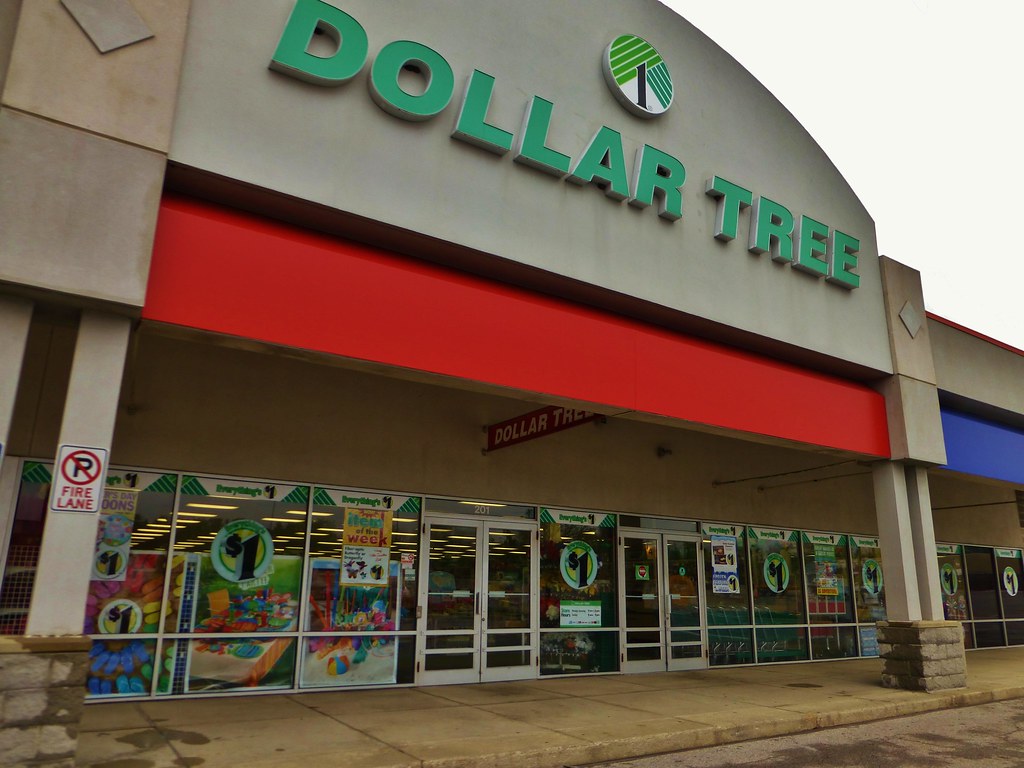
Discount retail's operating model—skeleton staffing, cash-heavy registers, long hours, and locations serving every corridor including the toughest ones—has produced one of the most documented security challenges in the industry: dollar-format stores experience robbery, theft, and violence at rates that have drawn national attention, regulatory scrutiny, and hard questions about what lean staffing owes the employees working it. For the operators and franchisees running these stores, the security conversation isn't abstract—it's the difference between a store that serves its neighborhood safely and one that becomes the address everyone, including its own staff, fears after dark.
For discount retailers, dollar-store operators, and value-format chains across the Midwest, here's the honest program.
The Discount-Format Risk Reality
Robbery against lean staffing. One or two employees, visible cash, evening hours: the format's efficiency is the robbery formula, and the incident data across the category proves offenders know it. Register robberies concentrate at the predictable windows—late evening, slow hours, closing—exactly when staffing runs thinnest.
Theft with no floor coverage. Skeleton crews can't watch aisles: concealment theft, cart push-outs, and brazen grab-and-walks run against stores where the only employees are pinned at the register—and confrontations, when staff attempt them, have produced the category's worst outcomes. The no-confrontation rule is life-safety policy here, not loss-prevention preference.
Employee safety as the central issue. The category's defining challenge: staff—often young, often working alone—absorbing aggressive customers, theft confrontations they shouldn't attempt, and the robbery exposure of the format itself. Retention, morale, and the basic duty of care all run through the same fix.
Parking lot and exterior disorder. Discount-store lots in many corridors host the loitering, panhandling, and activity that intimidates customers and staff alike—the exterior problem that becomes the store's reputation.
The Discount Retail Security Program
Cash discipline as the foundation: time-delay drop safes with prominent signage, strict till limits, and the deposit-routine variation that removes the robbery math—the highest-value, lowest-cost layer in the format.
Visibility and hardening: windows cleared for street sightlines, daylight-standard lighting inside and out, camera coverage that's visible and functional, and closing procedures that never leave one employee locking up alone with the day's cash.
Staff protocols with teeth: robbery-compliance training, the written no-confrontation rule, panic and communication capability, and an incident-reporting culture leadership actually reads.
The presence layer—where the format's math changes: professional security during the vulnerable windows (evening through close) at pattern stores: the visible officer who deters the robbery plan, ends the brazen-theft calculus, resolves the lot disorder, and—most importantly—means no employee faces the shift alone. For multi-store operators, patrol coverage rotating across locations through the evening and overnight delivers the deterrence at portfolio economics, with post-incident escalation at any store that gets hit.
The retention dividend: operators who add coverage report what the category's data predicts—incidents drop, but so does turnover, because staff stay at stores where someone has their back.
Altais Private Security serves discount and dollar-format retailers across the Midwest—vulnerable-window coverage, multi-store patrol routes, post-incident response, and programs built for lean-format realities.

Your stores serve every neighborhood. Contact Altais Private Security for a free consultation and make every one of them safe to work in.



Find Us On


