


Executive Protection 101: Who Needs It, What It Includes, and How It Works
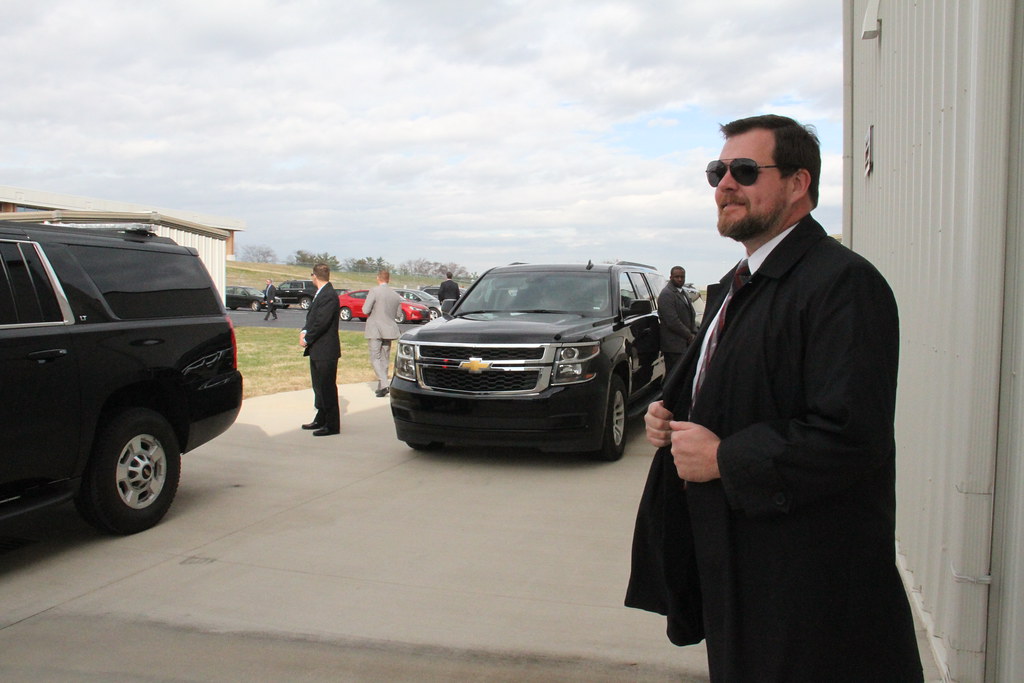
When people hear "executive protection," they picture a wall of sunglasses-wearing bodyguards surrounding a movie star. The reality of modern executive protection is far more subtle—and far more common than most people realize. Business executives, attorneys, physicians, public figures, entrepreneurs, and high-net-worth families across the Midwest quietly use professional protection services every day, and most of the time, you'd never notice.
If you've ever wondered whether executive protection is something you or your organization should consider, this guide covers who actually needs it, what these services include, and what separates true professional protection from a big guy in a suit.
What Is Executive Protection?
Executive protection is specialized, discreet personal security for individuals who face elevated risk because of their wealth, position, visibility, or circumstances. Unlike standard security guard services that protect a place, executive protection protects a person—wherever they go.
A professional executive protection detail focuses on prevention above all else. The goal isn't to win confrontations; it's to make sure confrontations never happen. That means advance planning, route assessment, threat awareness, and constant low-profile vigilance—all conducted in a way that lets the client live and work normally.
Who Actually Needs Executive Protection?
You don't need to be famous to need professional protection. The most common executive protection clients include:
Corporate executives. CEOs, founders, and senior leaders—especially those navigating layoffs, mergers, labor disputes, or public controversy—face genuine risks from disgruntled individuals. Many companies now consider executive protection part of standard risk management.
High-net-worth individuals and families. Visible wealth attracts attention, and not all of it is friendly. Protection services help wealthy families manage risks ranging from targeted theft to harassment to threats against children.
Public figures and local celebrities. Athletes, entertainers, media personalities, and influencers deal with obsessive fans, stalkers, and unpredictable public encounters.
Attorneys, physicians, and professionals in contentious fields. Divorce attorneys, criminal lawyers, and medical professionals sometimes face threats from the very cases they handle.
Individuals facing specific threats. Stalking victims, people navigating dangerous domestic situations, and anyone who has received credible threats deserve professional protection during elevated-risk periods.
Visiting executives and VIPs. Companies hosting board members, investors, or international guests often arrange protection and secure transportation as a standard courtesy—and liability measure.
What Professional Executive Protection Includes
Threat Assessment and Advance Planning
Quality protection starts before the protection agent ever shows up. Professionals assess the client's specific risk profile: Who might pose a threat? What locations and routines create exposure? What does the client's schedule look like? From there, they plan routes, review venues in advance, identify exits and safe rooms, and coordinate logistics so every movement is deliberate.
Close Personal Protection
The visible (or deliberately invisible) part of the job: a trained agent accompanying the client through their day—meetings, travel, events, and public appearances. Depending on the client's preference and risk level, this can look like a formal security presence or a colleague in business attire that no one gives a second glance.
Secure Transportation
Vehicles are one of the highest-risk environments in any protection plan. Armed transport and professional chauffeur services combine trained security driving with protection expertise—managing routes, avoiding predictable patterns, and ensuring the client moves safely between locations. For executives who spend hours commuting or traveling between meetings, secure transportation is often the single most valuable component of a protection program.
Event and Travel Security
Public appearances, conferences, galas, and business travel all create moments of elevated exposure. Executive protection agents coordinate with venue security, manage crowd interactions, and control access to the client throughout.
Residential Coordination
For clients with ongoing concerns, protection often extends to the home—coordinating with residential security services, assessing home vulnerabilities, and ensuring the family is protected even when the principal is away.
Discretion: The Mark of True Professionals
Here's what separates elite executive protection from amateur muscle: the best protection is the kind nobody notices. Professional agents are trained to blend into corporate environments, social events, and daily life. They read rooms, anticipate problems, and resolve situations quietly before they escalate.
Clients consistently say the same thing about quality protection: "I forgot they were there—but I felt completely safe." That's the standard. If a protection detail draws attention, creates awkwardness, or intimidates your business partners, it's working against you.
Common Misconceptions About Executive Protection
"It's only for celebrities." The majority of protection clients are business professionals and private families you've never heard of.
"It's about physical size and intimidation." Modern executive protection is about intelligence, planning, and prevention. De-escalation skills and situational awareness matter far more than muscle.
"It's a 24/7 commitment." Protection scales to your needs. Many clients use protection only for specific situations—a contentious board meeting, a period following threats, a public event, or travel to unfamiliar areas.
"It's unaffordable." Compared to the cost of a serious incident—medical, legal, reputational, or worse—professional protection is remarkably reasonable. And scaled services mean you pay for the coverage you actually need.
When Should You Consider Executive Protection?
Take stock of these warning signs:
You've received threats—online, by phone, or in person—even ones that seem "not serious." You're navigating a high-conflict situation: litigation, termination decisions, divorce, or public controversy. Your wealth or position has become more publicly visible. You've noticed being followed, watched, or repeatedly approached by the same individuals. Your company is going through layoffs, disputes, or events that create resentment. You or your family members feel unsafe during routine activities.
Any one of these justifies at least a professional consultation. Security professionals can assess your actual risk level honestly—and sometimes the answer is that you need less than you feared. But when protection is warranted, having it in place before an incident is everything.
Choosing an Executive Protection Provider
Look for a security company with trained, experienced protection agents; a planning-first methodology rather than a reactive one; discreet professionalism appropriate for corporate and social settings; secure transportation capabilities; and the ability to scale services to your situation—from a single event to an ongoing program.
Protection That Lets You Live Your Life
The purpose of executive protection isn't to make you feel like a target—it's the opposite. With professional protection handling the risks, you're free to focus on your work, your family, and your life without looking over your shoulder.
Altais Private Security provides discreet, high-level executive protection for executives, public figures, and high-net-worth individuals throughout the Midwest, including secure armed transport and chauffeur services. Every protection plan is built around your schedule, your risk profile, and your preference for visibility.

If you're weighing whether professional protection makes sense for your situation, start with a conversation. Contact Altais Private Security for a free, confidential consultation today.



Find Us On


