


Farm and Agricultural Security: Protecting Equipment, Fuel, Livestock, and Rural Operations
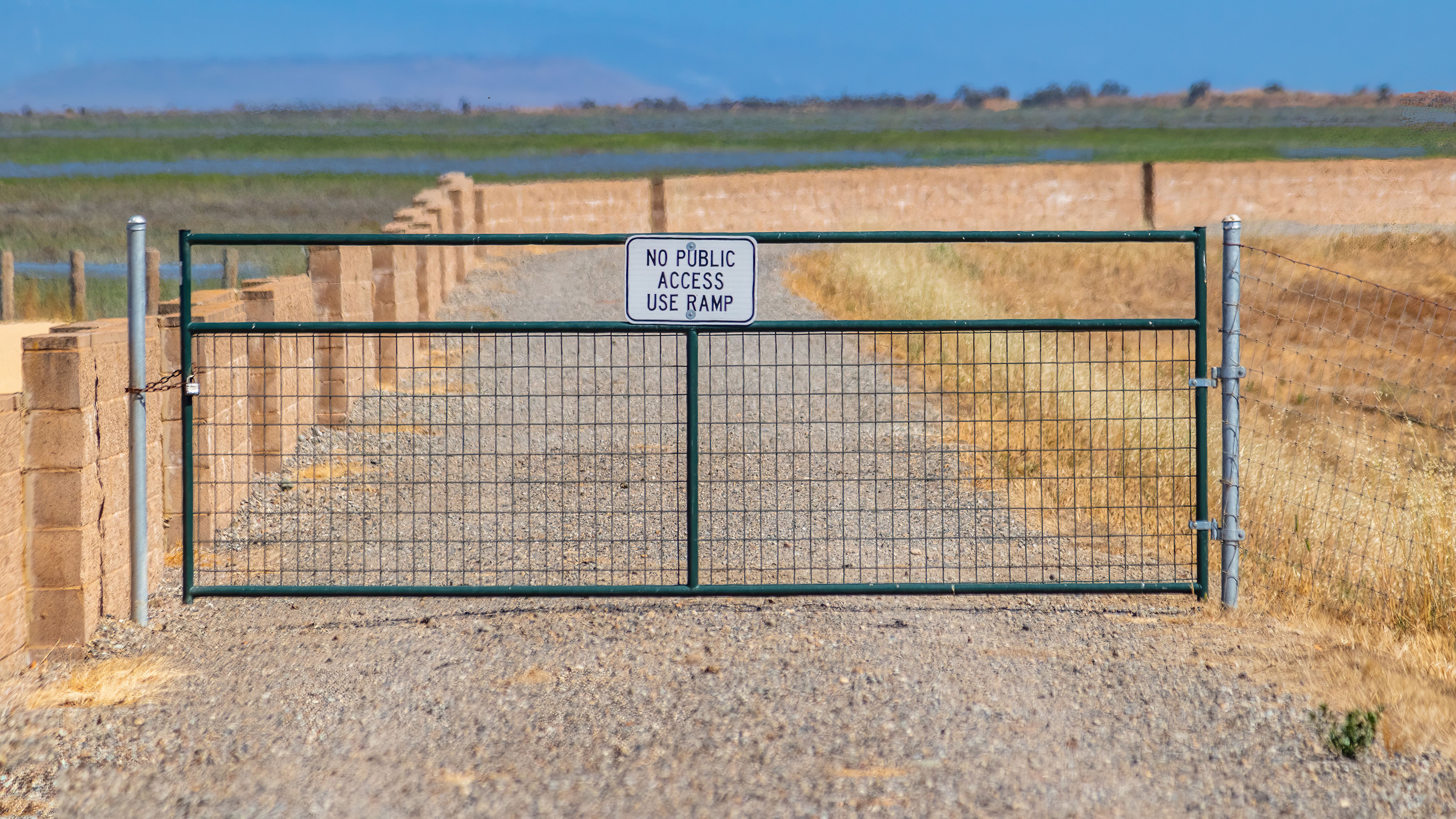
Rural crime runs on a simple, frustrating equation: farms concentrate enormous value—machinery worth more than most houses, fuel by the hundreds of gallons, chemicals, tools, grain, and livestock—across properties too large to watch, in locations where the nearest sheriff's deputy may be thirty minutes away on a good night. Thieves know the equation as well as farmers do, and agricultural theft has grown into a serious rural economy of its own: equipment stolen to order, fuel tanks drained by the route, catalytic converters cut from machinery rows, and chemical theft that tracks planting season like a shadow.
For farmers, ranchers, and agricultural operations across the Midwest, here's the rural security picture and the practical layers that protect an operation.
How Farms Get Hit
Equipment and machinery theft. Tractors, skid steers, UTVs, implements, and attachments—high-value, often unlocked by rural habit, and stored in yards and fields visible from the road. GPS units and precision-ag electronics strip out of cabs in minutes and feed a brisk resale market; whole machines leave on the thief's own trailer. Harvest and planting seasons—when equipment stages in fields far from the homeplace—are peak windows.
Fuel theft at farm scale. Bulk diesel tanks are rural crime's steady paycheck: hundreds of gallons drained overnight, hit repeatedly once a tank proves easy, with losses that spike every time fuel prices do.
Chemical and input theft. Crop protection products and fertilizer carry serious value per jug and per ton—and anhydrous ammonia draws its own criminal attention. Chemical sheds and nurse tanks need the same protection as the machine shed.
Livestock theft and interference. Cattle theft is old crime alive and well—animals loaded at remote pastures against nothing but a gate chain—alongside gate-left-open interference that costs herds without stealing them.
Grain, tools, and the shop. Farm shops hold tens of thousands in tools and parts; bins hold a year's income in bushels; and both sit in buildings a half-mile from the nearest occupied bedroom.
The rural response gap. The multiplier under everything: distance. Rural response times mean crimes complete before help can arrive—so rural security has to lean on prevention and detection far harder than town properties do.
The Farm Security Stack
Habits That Cost Nothing
The rural-trust culture is a treasure—and a vulnerability. The baseline shifts: keys out of equipment, cabs locked, sheds locked, and gates chained with real locks; machinery parked strategically—clustered, blocked in by the biggest iron, and out of road view where possible; serial numbers, photos, and inventory recorded for everything (equipment recovery without documentation is nearly hopeless, and owner-applied ID marks help); lighting on yards, tanks, and shop approaches—motion-triggered where power allows; and neighbor networks doing what rural neighbors do best—knowing every vehicle that belongs and reporting every one that doesn't.
Hardening the Repeat Targets
Fuel tanks earn locking caps, valve locks, and positioning inside lit, visible yard areas—plus consideration of usage monitoring that flags the overnight drain; chemical storage gets dedicated locked buildings and delivery-timing discipline that shortens on-farm dwell; GPS trackers hide on high-value machines and trailers, converting thefts into recoveries; and cameras—increasingly practical with cellular and solar options—cover yards, lanes, tanks, and bins, with the honest caveat every farmer already knows: cameras record rural crime beautifully and stop none of it.
The Professional Layer for Rural Operations
This is where agricultural security has evolved: professional patrol services extend to rural operations, and the fit is better than most farmers expect:
Randomized patrol checks of farmyards, equipment staging, fuel tanks, and remote sites—the unpredictable human presence that breaks the "nobody ever comes by" calculation rural thieves depend on absolutely. For an operation's scattered sites—the homeplace, the machine shed on the other section, the leased ground where the planter sits in April—one patrol program covers them all.
Seasonal coverage matched to farm risk: harvest and planting windows when equipment lives in fields; post-delivery periods when chemical sheds are full; and the quiet deep-winter stretch when yards go days unvisited.
Incident-response presence after an operation gets hit—because farm theft is route-based crime, and the operation that got hit is on somebody's route until something changes what they find on the next visit.
Documentation that serves the insurance realities of agricultural claims—time-stamped patrol records and incident reports that strengthen every claim conversation.
For farming corporations, large operations, and ag retailers (co-ops, implement dealers, chemical plants), the same program scales up—dealer lots full of machinery and input warehouses being, effectively, the rural version of every high-value inventory problem in this library.
Protecting the Operation and the Way of Life
Farm security done right protects more than iron and diesel—it protects the unlocked-door way of life by putting the vigilance on a professional instead of demanding the farm family live suspicious. Altais Private Security provides agricultural and rural security across the Midwest—farmyard and multi-site patrols, seasonal coverage, post-theft response, and assessments built for operations measured in sections, not square feet.

Your operation feeds everybody. Contact Altais Private Security for a free consultation and let's protect it.



Find Us On


