


Gym and Fitness Center Security: Protecting Members, Staff, and 24-Hour Access Facilities
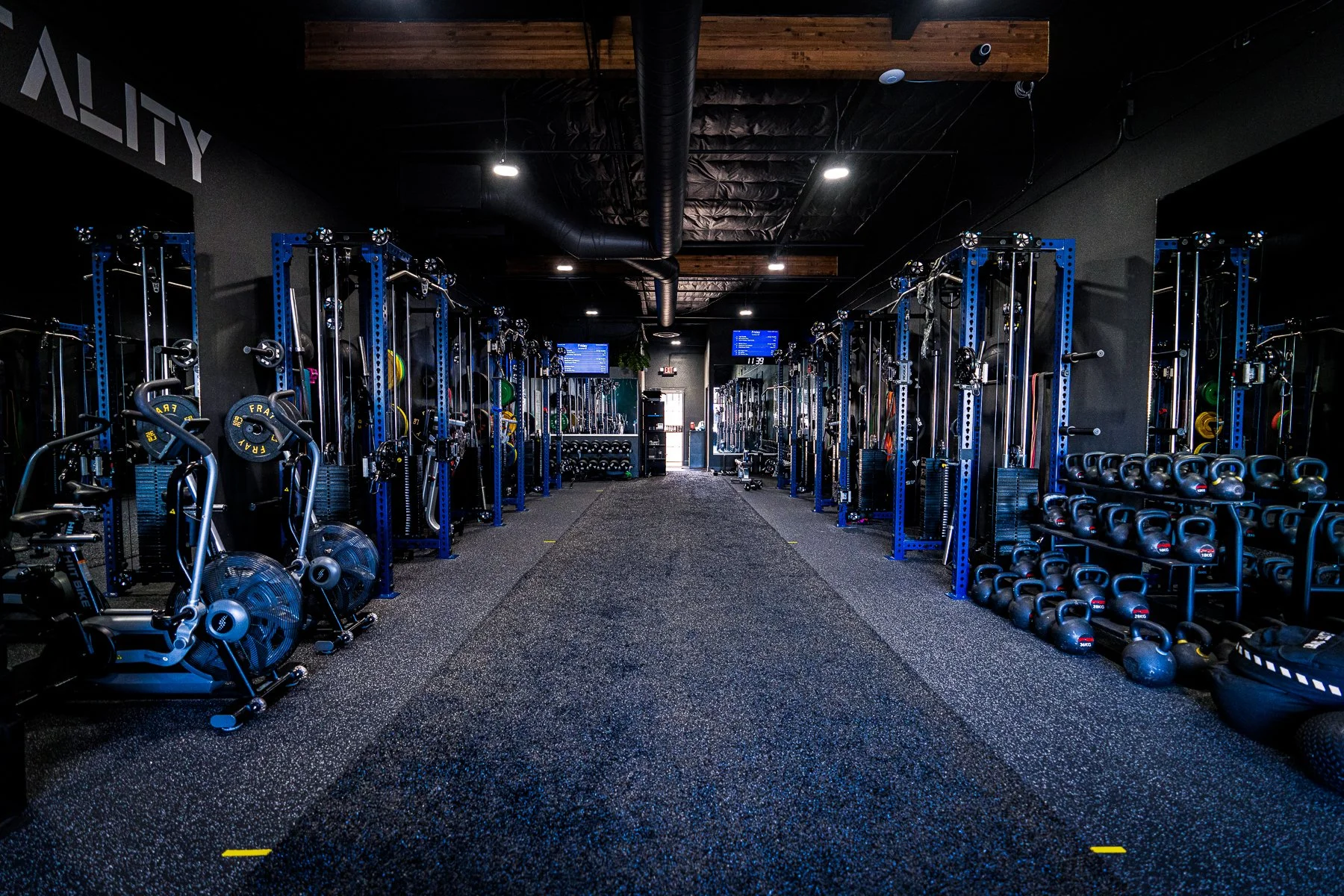
The modern gym business is built on access: long hours, and increasingly no hours at all—24/7 key-fob facilities where members train at 3 AM in buildings with no staff on site. It's a model members love and a security profile unlike any other retail business: strangers sharing space at all hours, belongings concentrated in lockers, parking lots active around the clock, and—in the unstaffed hours—nobody watching anything but cameras nobody's monitoring.
For gym owners, fitness franchise operators, and facility managers across the Midwest, here's the honest security picture of the fitness business and how professional protection fits it.
The Fitness Facility Risk Profile
Locker room theft—the industry's chronic loss. Members' wallets, phones, keys, and watches sit in lockers secured by whatever lock the member remembered to bring—and locker theft is the fitness industry's most persistent crime. It's also its most damaging per incident: the member whose wallet was stolen doesn't just cancel; they tell everyone, and their car keys just left with someone who knows which lot the car is in.
Parking lot crime around the clock. Gym lots are uniquely readable: cars parked at predictable durations while owners are visibly occupied inside, gym bags on seats, and—for 24-hour facilities—members walking to cars alone at every dark hour of the night. Vehicle break-ins at fitness facilities cluster exactly this way, and members judge the facility by the lot as much as the equipment.
The unstaffed-hours question. Key-fob access at 2 AM means members alone in a building with whoever else fobbed in—plus the tailgating problem, where the door held open politely admits someone with no membership at all. Medical events during unstaffed hours (a genuine risk in a facility built around physical exertion), confrontations with no staff to mediate, and non-member intrusion all concentrate in the hours the business model leaves empty.
Member conduct and harassment. Gyms manage a social environment: harassment complaints, filming disputes, altercations over equipment, and the occasional member whose behavior drives away ten others. Staff—often young and part-time—end up handling confrontations they're neither trained nor paid for.
After-hours facility crime. Staffed-hours gyms face conventional burglary overnight: pro shops, supplement inventory, electronics, and the cash operations of front desks.
The Fitness Security Playbook
Locker Room Loss Prevention
The fixes are layered: signage and member education pushing valuables-home habits and quality locks; camera coverage of locker room entrances (never interiors) that establishes who came and went; day-use lock or small-valuables locker options at the front; staff or security walk-throughs on randomized schedules during peak hours; and—the pattern-breaker when theft waves hit—professional presence for a defined period, because locker thieves work gyms in repeated visits and a security response ends the run.
Parking Lot Protection
Everything from the parking lot security playbook applies, tuned to fitness patterns: lighting to a standard that matches your open hours—if members train at 5 AM and 11 PM, the lot must be daylight-bright at both; patrol attention during the dark-hour windows, with marked-vehicle passes that deter the break-in crews who work gym lots; and escort availability—the service that female members in particular notice, value, and mention in reviews.
Solving the 24-Hour Problem
For unstaffed-access facilities, professional security options map directly onto the model's gaps: overnight patrol checks—officers keying into the facility on randomized visits through the unstaffed hours, walking the floor, checking the lot, and giving the 2 AM member the periodic professional presence the model otherwise lacks; response service—a security partner as the answer to the unstaffed facility's alarm activations, member incident calls, and door-ajar alerts, so incidents get a trained responder instead of an owner's 3 AM drive; and tailgate and access auditing—periodic attention to the door behavior and fob data that reveals how much non-member traffic the facility actually absorbs. Franchise operators running multiple locations consolidate all of this into one patrol program covering every club economically.
Staff Support and Conduct Management
For facilities with recurring conduct issues—or single problem members—professional security presence during peak or problem hours takes confrontation off your front desk staff and hands enforcement to someone trained for it: membership rules applied consistently, harassment complaints backed by real response, and terminations of membership delivered with professional presence when the situation warrants.
Safety as a Membership Feature
The fitness business sells how members feel—and feeling safe is prerequisite to everything else the facility offers. Members choose, stay at, and recommend gyms where the lot feels safe at night, the locker room doesn't require paranoia, and the 24-hour promise doesn't come with a personal-risk asterisk. Security spending at fitness facilities converts directly into the retention math the whole business runs on.
Altais Private Security provides fitness facility security across the Midwest—peak-hour presence, overnight patrol programs for 24-hour clubs, parking lot coverage, incident response, and multi-location programs for franchise operators.

Your members trust your facility at every hour. Contact Altais Private Security for a free consultation and make every hour worthy of it.



Find Us On


