


Ice Arena and Skating Rink Security: Protecting Cold Buildings Full of Warm Crowds
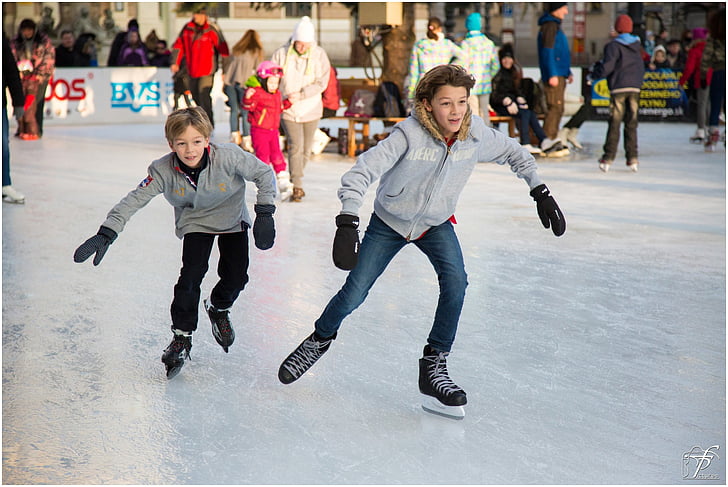
Ice arenas run some of the longest operating days in recreation: 5 AM hockey practices through midnight adult leagues, public skate sessions packing the ice with families, tournament weekends importing visiting teams and their travel-party crowds, and locker rooms cycling hundreds of bags—full of wallets, phones, and thousand-dollar equipment—through doors that don't lock behind their owners. Add the youth-sports sideline dynamics hockey is famous for, pro shops full of high-value gear, and mechanical plants (refrigeration systems with their own hazard profiles) running around the clock, and the rink's security picture skates well past what most facility budgets acknowledge.
For arena operators, rink managers, and hockey associations across the Midwest, here's the program.
The Ice Arena Security Picture
Locker room theft—the rink's chronic loss. The category's defining problem: locker rooms holding teams' worth of bags and valuables while everyone's on the ice for a scheduled, predictable hour—worked by thieves who know exactly when rooms empty and how long they stay that way. Wallet-and-phone sweeps through unlocked rooms are the incident every rink manager has handled, and tournament weekends (visiting teams, unfamiliar faces everywhere, nobody questioning anyone) are the peak window.
Hockey-sideline temperature. Youth hockey's conduct challenges are a national conversation: parent-official confrontations, bench-clearing energy, and the rivalry heat that arenas—not associations—end up managing in their lobbies and lots. Someone credible has to enforce the conduct codes, and volunteer boards are the wrong someone.
Marathon hours, skeleton staffing. The 5 AM openings and midnight closings run on minimal staff: lone employees opening dark buildings, closing crews walking out at 12:30 AM, and the long quiet stretches between sessions when the building runs nearly empty but unlocked.
Tournament and event weekends. Multi-day tournaments bring the full event picture: capacity crowds, gate and concession cash, parking-lot turnover, and the visiting-population dynamics that spike every exposure above.
Pro shop and equipment. Skate and equipment inventory at hockey prices, sharpening-service custody of customers' skates, and the after-hours retail exposure inside the larger building.
The plant. Refrigeration systems, compressors, and the mechanical infrastructure whose failures end seasons—and whose overnight monitoring is another place patrol eyes earn twice.
The Ice Arena Security Program
Locker room countermeasures: posted valuables policies backed by lobby lockers or team lock-boxes, corridor camera coverage at locker room entrances, staff walk-throughs on the session clock, and—for tournament weekends—dedicated corridor presence that ends the empty-room sweep pattern for the whole event.
Conduct-enforcement support: professional presence for the flagged games, tournament days, and rivalry nights—the neutral officer who backs officials, executes removals without spectacle, and takes the confrontation load off rink staff and volunteers.
Opening, closing, and quiet-hours coverage: patrol attention or presence at the day's dark edges—the 5 AM opener not alone in the building, the midnight closer covered to the car, and the building checked through the empty stretches.
Tournament and event staffing: the event playbook for the big weekends—gates, cash points, lots, and crowds covered at tournament scale.
Overnight patrols: building checks protecting the pro shop, equipment, and plant—with the mechanical-failure vigilance a refrigerated building rewards.
Altais Private Security serves ice arenas, rinks, and hockey facilities across the Midwest—tournament coverage, locker-corridor programs, conduct-enforcement support, and marathon-hours protection.

Your building runs from first practice to last buzzer. Contact Altais Private Security for a free consultation and cover every hour of ice.



Find Us On


