


Landfill and Waste Facility Security: Protecting Transfer Stations, Fleets, and Regulated Gates
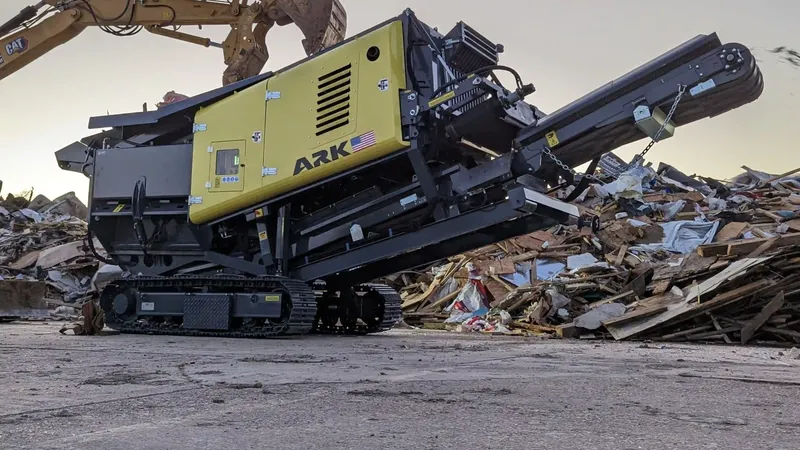
Waste operations run essential infrastructure nobody thinks about until it fails: landfills and transfer stations processing the region's waste stream under environmental regulation, collection fleets staged in yards every night, scale houses managing commercial transactions and regulated-material screening, and gates that must control what enters—because what enters a landfill is a compliance question with agency consequences. Add the after-hours illegal-dumping problem every waste site fights, the scavenging activity transfer stations attract, and the standard fleet-yard exposure across the truck rows, and waste-sector security runs on operational, environmental, and asset fronts at once.
For landfill operators, hauling companies, transfer station managers, and municipal waste departments across the Midwest, here's the program.
The Waste Facility Security Picture
Illegal dumping at the fence line. The sector's signature after-hours problem: dumpers unloading at gates, fence lines, and access roads to skip tipping fees—leaving the operator the cleanup cost, the liability for whatever was dumped (unknown materials being the environmental nightmare), and the recurring pattern that establishes wherever it goes unanswered.
Gate and screening integrity. Regulated facilities must control the waste stream: prohibited and hazardous materials screened at the scale, load verification against manifests, and the fee-avoidance schemes commercial gates manage—where every screening failure is a potential compliance event with agency attention.
Fleet-yard exposure. Collection fleets run the full yard menu: converter harvesting across truck rows (waste fleets have been hit hard—every cut truck is a route uncollected), fuel theft at fleet scale, and the equipment and parts exposure of maintenance operations.
Scavenging and site trespass. Transfer stations and landfill faces attract scavengers—a safety liability around heavy equipment and active faces before it's anything else—plus the metal-and-battery picking that works waste streams wherever access allows.
Environmental-systems vigilance. Sites run monitoring systems, leachate infrastructure, and gas operations whose failures matter—another setting where overnight patrol eyes catching a problem early serves compliance and community alike.
The Waste Facility Security Program
Gate and scale operations: verification discipline at the commercial gate, screening-support presence where load disputes and refusals generate friction, and documentation feeding the regulatory file.
Dumping-pattern response: lighting and camera coverage at the known dump points, posted enforcement backed by consistency, and patrol attention timed to the dumping windows—the after-hours presence that breaks the pattern, documents the violators (plate-and-vehicle records that make enforcement actionable), and moves the problem off your fence line.
Fleet and yard protection: the fleet-terminal playbook—rows blocked in, converter countermeasures, fuel monitoring—plus overnight patrol coverage across yard, gates, and perimeter with post-hit escalation and multi-facility routes for regional operators.
Trespass and scavenging enforcement: consistent, lawful site-access control—protecting the trespassers from the site as much as the site from them.
Documentation for the regulated environment: patrol and incident records built for the environmental-compliance and municipal-accountability frameworks the sector answers to.
Altais Private Security serves landfills, transfer stations, and waste operations across the Midwest—gate support, dumping-pattern response, fleet-yard patrols, and compliance-grade documentation.

Your facility handles what the region throws away. Contact Altais Private Security for a free consultation and control every gate it comes through.



Find Us On


