


Liquor Store Security: Protecting High-Theft Inventory, Cash, and Late-Hour Staff
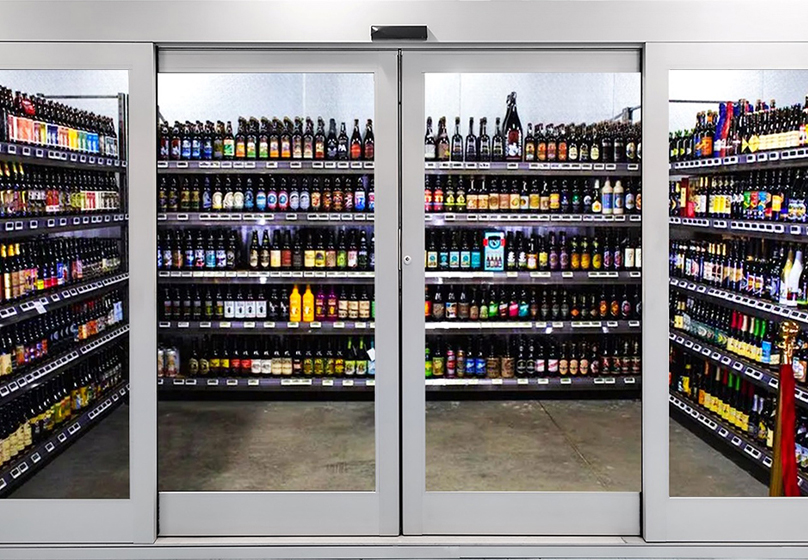
Liquor stores sit in a specific corner of retail risk: inventory that's valuable, resellable, and consumable (bottles walk out the door in coats and grab-runs daily), cash-heavy transactions, evening and weekend peak hours, and a customer base that occasionally includes exactly the intoxicated or desperate individuals other retail rarely serves. Package stores face elevated rates of shoplifting, robbery, and burglary—and the successful operators treat security as core operations, not an afterthought.
For liquor store owners and package store operators across the Midwest, here's the playbook.
How Liquor Stores Get Hit
Bottle theft, constantly. The daily grind: concealment theft of premium spirits, grab-and-run on visible high-end bottles, and organized boosters working the top shelf for resale. Premium bourbon and cognac are the category's jewelry—and allocated bottles have created a genuine theft market of their own.
Robbery at the register. Cash business plus evening hours: liquor stores face robbery risk concentrated at closing time and slow late hours, with lone-employee shifts the highest-exposure condition.
After-hours burglary. Smash entries for the inventory itself—cases of premium product loading out through broken storefronts—plus the safe attempts wherever cash discipline looks weak.
Intoxicated and refused customers. The category's built-in friction: the visibly intoxicated customer refused service, the underage attempt turned away, and the confrontations both produce at a counter staff must hold by law.
The Package Store Security Stack
Merchandise the risk: premium and allocated bottles in locked cases or behind the counter, high-theft shelves within counter sightlines, mirrors and layout that eliminate blind aisles, and empty display boxes for the ultra-premium tier.
Run the cash-business basics: drop safe, low registers, signage, varied deposits, and closing procedures with two people whenever staffing allows.
Harden for the smash pattern: security film or grating on storefront glass, reinforced doors, monitored alarms, and interior lighting that keeps the store visible from the street all night.
Enforce with backup: refusal training and scripts for staff, the no-confrontation rule for theft (observe and report—no one fights over a bottle), and camera coverage that documents the boosters for the police reports that eventually stop them.
Add the presence layer: for stores with theft patterns, robbery history, or rough evening dynamics, professional security during peak and closing hours—a visible officer who ends the grab-run calculus, backs staff on refusals, deters the robbery plan, and walks the closer to their car with the deposit. Overnight patrol coverage protects the storefront through the burglary hours—randomized checks that break the smash-crew timing—with elevated coverage after any hit, because liquor store burglars, like all category crews, revisit.
Security Sells the Good Stuff
Here's the operator's bonus: the stores that can safely display and sell premium inventory—because theft is controlled—capture the high-margin business the category runs on. Security isn't just loss prevention at a package store; it's what makes the top shelf profitable.
Altais Private Security protects liquor stores across the Midwest—peak-hour and closing coverage, overnight patrols, post-incident response, and store assessments built for the category's specific patterns.

Your inventory walks out one bottle at a time—or by the case at 3 AM. Contact Altais Private Security for a free consultation and stop both.



Find Us On


