

Medical Office and Healthcare Facility Security: Protecting Patients, Staff, and Sensitive Spaces
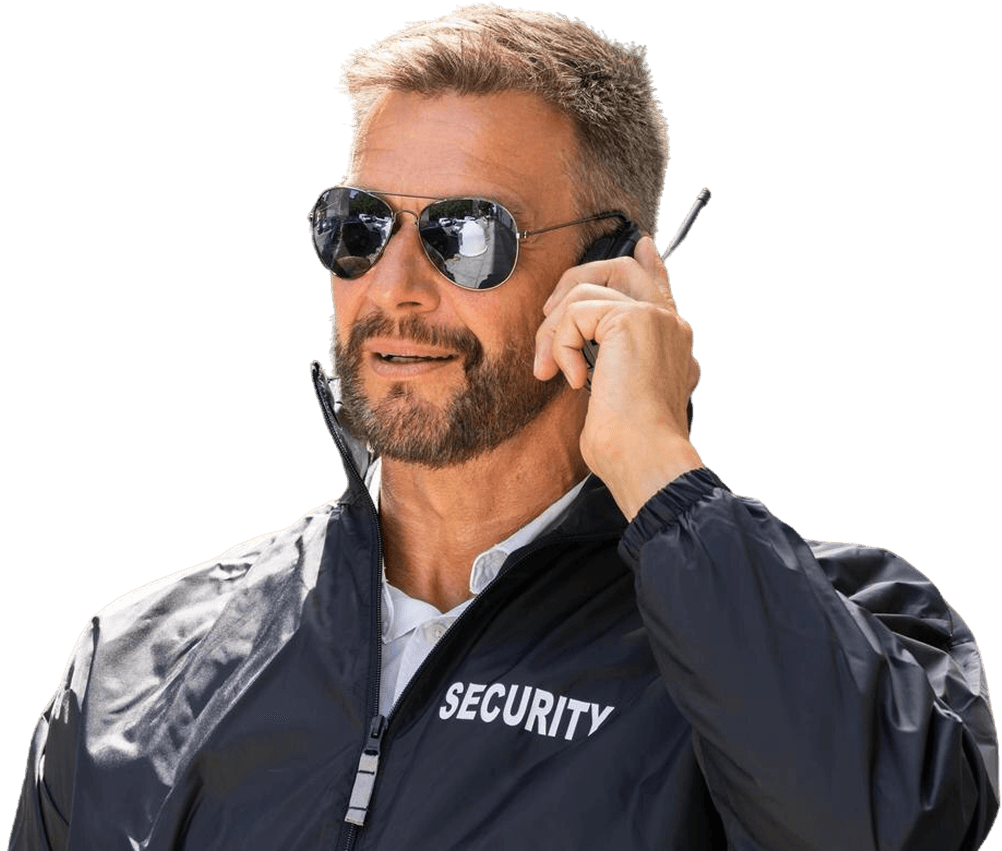
Healthcare workers will tell you what the statistics confirm: medical settings have quietly become some of the most incident-prone workplaces anywhere. Emotions run high where health, pain, money, and family collide. Patients in crisis, distressed family members, disputes over care and billing, individuals seeking medications, and the occasional targeted threat—clinics, medical offices, urgent cares, and healthcare facilities absorb all of it, usually with front desk staff as the only line of defense.
If you administer a medical practice, clinic, or healthcare facility in the Midwest, here's a clear look at the security challenges healthcare faces and how professional security protects your patients, your people, and your operations.
Why Healthcare Settings Face Elevated Risk
Emotion is the baseline. People arrive at medical facilities scared, hurting, grieving, or desperate. Ordinary friction—wait times, insurance denials, difficult diagnoses, visitation limits—lands on people already at their limit. Healthcare workers experience workplace aggression at rates far above most industries, and the trend has worsened.
Medications and prescriptions. Facilities that store, prescribe, or dispense controlled substances face targeting from individuals seeking drugs—from deception at the desk to break-ins after hours.
Open access by design. Like places of worship, healthcare facilities are built to welcome. Lobbies and waiting rooms admit anyone, and staff work in close contact with the public all day.
Vulnerable patients. Patients are, by definition, not at full capacity—physically compromised, medicated, elderly, or in crisis—and facilities carry responsibility for their safety on-site.
Domestic situations following patients in. Like workplaces, medical facilities are findable: an abuser knows where their target's appointment is. Custody disputes and dangerous relationships regularly surface at clinics and especially at facilities serving women and families.
After-hours assets. Equipment, medications, and records make empty medical buildings worthwhile targets overnight and on weekends.
What Professional Healthcare Security Provides
A Calming Presence in the Waiting Room
The right security officer in a healthcare setting is a de-escalation specialist first: visible enough to deter, calm enough to lower the room's temperature, and trained to intervene early when a frustrated patient or family member begins escalating. Front desk staff—who currently absorb the aggression—get a professional to call before situations peak, and the difference in staff stress and retention is immediate and measurable.
Response to Behavioral and Crisis Situations
Patients in behavioral crisis, intoxicated individuals, and disturbed visitors require careful, trained handling—protective of everyone, including the person in crisis. Professional officers manage these situations with de-escalation and appropriate physical presence, coordinate with clinical staff, and involve police when—and only when—warranted. This is skilled work, and having it in-house changes how safely a facility can operate.
Access Control for Sensitive Areas
Not every part of a medical facility should be reachable from the lobby: medication storage, records areas, staff zones, and treatment spaces need controlled access. Security officers enforce those boundaries professionally—managing visitors, verifying vendors, and keeping non-public areas non-public.
Protection for High-Risk Moments
Certain situations warrant planned coverage: terminating a volatile patient relationship or employee; a staff member's protective order or dangerous domestic situation; disputes that have generated threats against providers; and high-tension periods in facilities serving contested care areas. Discreet professional presence during these windows is exactly the preparedness that prevents tragedies.
Parking and Shift-Change Safety
Healthcare runs early and late—staff arrive before dawn and leave after dark, often to isolated employee lots. Patrols and escorts during shift transitions protect the people your operation depends on, and few security investments earn more staff goodwill.
After-Hours Facility Protection
Overnight patrols or dedicated coverage protect medications, equipment, and the facility itself through empty hours—with documented checks that satisfy both insurers and the compliance mindset healthcare already lives in.
The Compliance and Liability Dimension
Healthcare administrators think in terms of duty and documentation, and security fits the frame: workplace safety obligations to staff facing known aggression risks; patient safety responsibilities while on premises; and the documentation habit—professional security generates incident reports and coverage logs that align naturally with healthcare's compliance culture. When an incident does occur, the difference between "we had professional security and documented protocols" and "our receptionist handled it" is enormous—legally, reputationally, and morally.
Right-Sizing for Your Facility
A solo practice and a multi-site clinic group need different answers. Assessment-based options include: officers during operating hours for facilities with active concerns; coverage during high-risk windows—evenings, weekends, specific clinics; response-capable presence shared across a medical campus or building; after-hours patrols for medication and asset protection; and event or situation-specific coverage as needs arise.
Altais Private Security provides healthcare-appropriate security for medical offices, clinics, and facilities across the Midwest—officers selected and trained for patient-facing environments, where calm professionalism is the entire job.

Your staff takes care of everyone else. Contact Altais Private Security for a free consultation and let's take care of them.


Find Us On


