


Museum, Gallery, and Cultural Institution Security: Protecting Collections and the Public Together
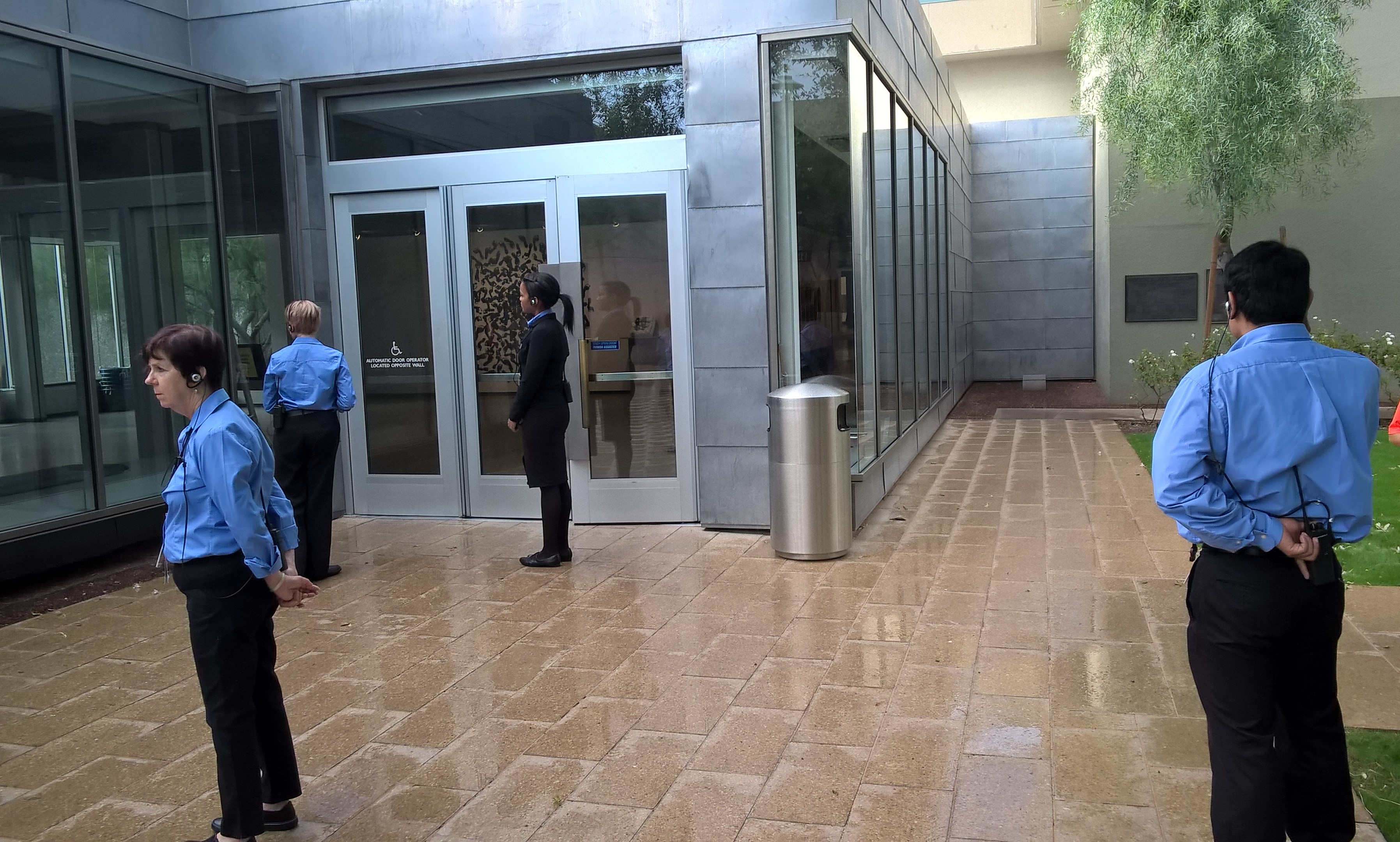
Cultural institutions face a security paradox they can never fully resolve—only manage: their mission is to put irreplaceable things in front of the public, as close and as openly as possible. Every museum, gallery, historical society, and cultural center operates in the tension between access and protection: collections that can never be replaced, displayed in rooms designed to invite people toward them, in buildings meant to feel open to everyone.
For museum directors, gallery owners, historical societies, and cultural organizations across the Midwest, here's how institution security manages that paradox—protecting collections, visitors, and the institution's public trust at once.
The Cultural Institution Threat Picture
Theft—from opportunism to planning. Collection theft spans the spectrum: the opportunistic grab of a small unsecured object, the visitor who slips a piece from an open display, and the planned theft targeting specific works—researched, timed, and executed against the institution's known routines. Small institutions and galleries are targeted more often than headlines suggest, precisely because their protections are lighter and their pieces still valuable.
Damage—deliberate and accidental. Vandalism against works, the touching and handling that degrades objects over years, the visitor accident (the backpack swing, the fall against a pedestal), and in recent years the attention-seeking incident targeting high-profile works—all argue for presence in the galleries, not just cameras above them.
After-hours burglary. The institution overnight is a building full of portable value: collection storage, galleries, gift shop inventory, and equipment—with burglary risk concentrated exactly where staffing is zero.
Events in collection spaces. The modern institution's business model—rentals, galas, openings, and evening programs—brings crowds, caterers, and alcohol into the same rooms as the collection, multiplying every risk above for a few hours at a time.
People and public-building realities. Institutions are public buildings, and they absorb public-building incidents: disruptive visitors, medical events, unattended children, and the occasional individual whose behavior demands trained response—handled, always, in front of an audience and under the institution's public reputation.
The Institutional Security Framework
Gallery Presence: The Irreplaceable Layer
Technology matters in museums—alarmed cases, sensors, and cameras all serve—but the institution's fundamental protection has been the same for a century: trained people in the galleries. Security officers in collection spaces deter the grab and the touch, catch the developing situation, respond to accidents in seconds, and shape visitor behavior simply by being present. The craft, in cultural settings, is presence with hospitality: officers who welcome, answer directions, and protect simultaneously—firm about the rope line, warm about everything else. Institutions know their gallery officers are also front-line visitor experience staff, and staffing them with professionals selected for the environment pays in both directions.
Layered Collection Protection
Around the human layer: display security matched to object risk—cases, mounts, and barriers proportionate to each piece; zoned intrusion detection and monitored alarms for after-hours; environmental and access discipline for storage areas, where most of any collection actually lives; and documented opening/closing sweeps confirming every space and every case, every day.
Event Coverage That Protects the Collection and the Party
For rentals, galas, and openings: security staffing planned into every event—entrance management, gallery posts protecting works from the wine-glass crowd, capacity and flow attention, and closing sweeps confirming the collection's condition after every function. Institutions that treat event security as part of the rental package protect their collections and their rental business at once—renters read professional security as institutional quality.
After-Hours and Perimeter Protection
Overnight coverage scaled to the institution: dedicated officers for larger institutions and elevated-risk periods (major exhibitions, publicized acquisitions); patrol services for smaller museums, galleries, and historical societies—randomized checks of the building, perimeter, and entry points that give small institutions professional overnight protection at small-institution budgets; and alarm response ensuring every activation gets a trained assessment, not a director's midnight drive.
For Galleries and Small Institutions
The commercial gallery and the volunteer-run historical society face the same threats at smaller scale—and the same solutions scale down: opening coverage for publicized shows, patrol checks through the overnight, event staffing for openings, and an assessment that identifies the three fixes that matter most. Small institutions are not too small for professional security; they're precisely who benefits most per dollar.
Guarding What Can't Be Replaced
Everything else in this library protects things that insurance can restore. Cultural institutions protect things it can't: the collection is the mission, and its loss is permanent in a way no payout touches. Altais Private Security serves museums, galleries, and cultural institutions across the Midwest—gallery officers selected for public-facing collection environments, event coverage, overnight protection, and assessments built around the access-versus-protection balance every institution lives in.

Your walls hold what can't be replaced. Contact Altais Private Security for a free consultation today.



Find Us On


