


Music Store and Instrument Shop Security: Protecting Inventory Musicians Spend Lifetimes Choosing
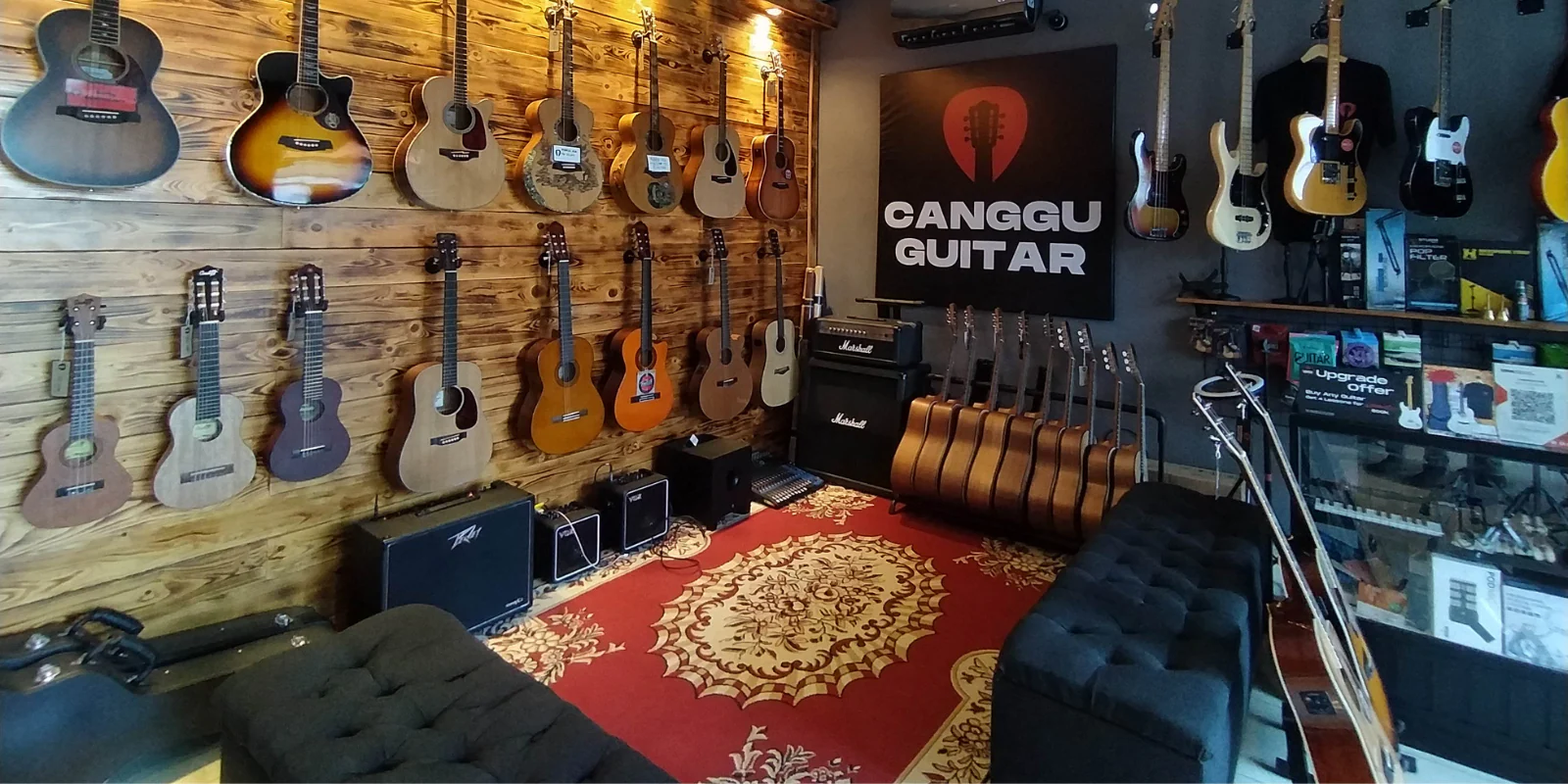
Music retail hangs its inventory on walls by design: guitars worth $500 to $15,000 within arm's reach, brass and woodwinds in open displays, pro audio and keyboards stacked for demo, and a try-before-you-buy culture that puts instruments in strangers' hands all day. The trade's openness is its charm—and its exposure: instrument theft is a steady, specialized crime (guitars especially, boosted from walls and burgled by the vanload, feeding a resale market where a serial number is the only hope of recovery), and every music store also carries the repair-bench custody of customers' irreplaceable instruments.
For music store owners, instrument dealers, and repair shops across the Midwest, here's the program.
How Music Stores Get Hit
Guitar-wall theft. The category's signature: instruments lifted from wall hangers—concealed under coats in the acoustic room, grab-and-run from displays near doors, and the distraction plays that work while staff demo amps. Premium and vintage pieces are targeted specifically by thieves who know exactly what they're holding.
After-hours burglary. The serious loss: smash or forced entries clearing walls wholesale—guitars by the armload, pro audio by the cart—executed fast against inventory that loads flat and sells anywhere. Vintage and boutique inventory makes some hits five- and six-figure events.
Demo and try-out exposure. The trade's open-hands culture: instruments handed over for play, walked toward doors, and occasionally out them—plus the lesson-studio and event traffic that keeps non-shopping visitors moving through the building.
Repair-bench custody. Customer instruments—often their most precious possessions, sometimes irreplaceable vintage pieces—held overnight on benches and shelves: the custody weight every service trade carries, at maximum emotional stakes.
Rental fleet losses. School-instrument rental programs face the never-return and conversion drain every rental model knows.
The Music Store Security Program
Wall and display discipline: locking hangers for premium tiers (they exist, and they end the wall-lift), vintage and top-shelf pieces in cases or behind counters, high-value walls positioned deep from doors, and demo protocols that keep instruments-in-hand within staff sightlines.
Custody documentation: intake photos and condition records for every repair, secured overnight storage for the bench queue, and the serial-number discipline—every instrument in inventory and custody logged—that makes recovery possible and claims payable. Serial registration is the trade's one real recovery mechanism; run it religiously.
Envelope hardening: security film on the glass, reinforced doors, monitored alarms, and the end-of-day sweep that moves the irreplaceable tier to locked storage.
The response layer: overnight patrol coverage against the wall-clearing burglary—randomized checks breaking the crew timing—with post-hit escalation and coordination when regional instrument-theft runs start (they do, and dealers hear about them through the trade); plus event and peak-day presence for the sales and clinics that pack the floor.
Altais Private Security serves music stores and instrument dealers across the Midwest—overnight patrols, custody-practice assessments, and event coverage.

Every instrument on your wall is somebody's future favorite. Contact Altais Private Security for a free consultation and keep them hanging.



Find Us On


