


Pharmacy Security: Protecting Medications, Staff, and Patients at the Counter and After Hours
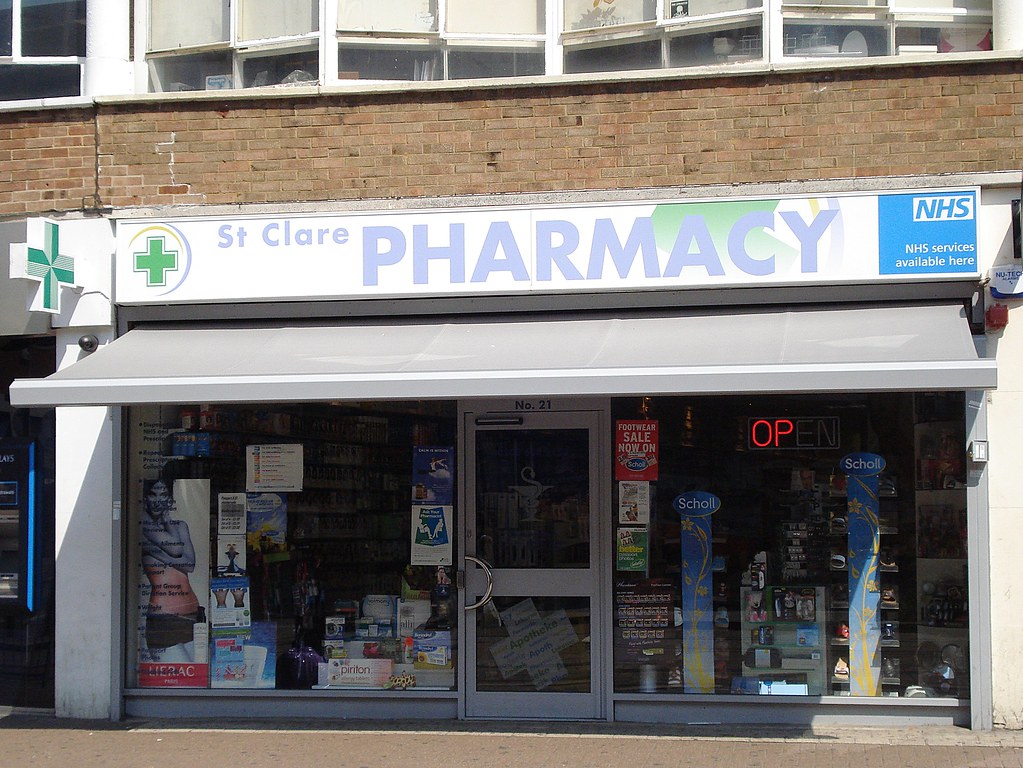
Retail pharmacy sits at a hard intersection: it's a healthcare setting, a retail store, and a controlled-substance repository all at once—open long hours, staffed by clinicians behind a counter, and holding the medications that drive one of the most persistent crime patterns in American retail. Pharmacy robbery and burglary target opioids and controlled substances specifically; counter confrontations erupt over refills, denials, and insurance walls; and the staff absorbing all of it are pharmacists and technicians who trained for medicine, not conflict.
For independent pharmacies, regional chains, and clinic-attached dispensing operations across the Midwest, here's the pharmacy security picture and the layered response.
The Pharmacy Threat Profile
Controlled-substance robbery. The category's signature crime: robberies targeting opioids and scheduled drugs specifically—sometimes note-passed and quiet, sometimes armed and terrifying, and concentrated at the pharmacy counter where the safe and the schedule IIs live. Pharmacy staff face this risk at rates the profession has increasingly treated as an occupational safety crisis.
After-hours burglary. Break-ins targeting the pharmacy section—through doors, walls, and roofs—with crews heading straight for controlled storage. Pharmacies inside larger stores face the specific pattern of burglars entering the host store to attack the pharmacy within it.
Counter confrontations. The daily grind: early-refill denials, out-of-stocks, insurance rejections, and suspected-fraud refusals—each a potential flashpoint with a customer who may be desperate, in withdrawal, or simply furious. Pharmacists describe refusal conversations as the most stressful recurring moments of their working lives, and they happen at an open counter.
Prescription fraud at the window. Forged and altered scripts, phone-in fraud, and identity schemes—refused, when caught, in exactly the confrontations above.
Theft from the retail floor. The front store runs standard retail shrinkage, with health-and-beauty and OTC categories among retail's most shoplifted.
The Pharmacy Security Framework
Hardening the Controlled Core
The regulated baseline, built past compliance: DEA-compliant safes with time-delay locks—and prominent signage saying so, because time delays specifically defeat the robbery model that depends on fast compliance; minimal scheduled-stock on hand with disciplined ordering; hardened pharmacy-section construction—the counter area, storage, and after-hours barriers (gates, cages) that make the pharmacy a vault within the store; and monitored alarms zoned specifically on the pharmacy section.
Counter Protocols That Protect People
Staff safety practice for the profession's hard moments: robbery compliance training—no resistance, observe, report; refusal scripts and positioning for denial conversations, with backup signals so no pharmacist handles an escalating window alone; barriers and counter design that create protective distance without destroying the healthcare relationship; and a culture that treats reporting threats and incidents as professional standard, not complaint.
Professional Security Presence
Where the pharmacy risk profile warrants the human layer:
Business-hours presence at pharmacies with confrontation patterns, robbery history, or high-risk locations: an officer whose visibility deters the robbery plan and the counter escalation alike—and who takes the confrontation burden off clinical staff when the refusal conversation turns. Pharmacies that add presence report what healthcare settings always report: staff stress drops immediately, and the incidents that used to define bad weeks mostly stop arriving.
Peak-window coverage as the affordable version: security during evening hours, weekends, and the periods a store's own incident history identifies.
After-hours protection: patrol coverage with attention to pharmacy-section entry points and roof access, alarm response with trained assessment, and post-burglary dedicated coverage through the repeat-risk window—because pharmacy burglary, like all drug-targeting crime, runs in waves and revisits proven targets.
Escort support for staff closing late—pharmacy hours run past dark most of the year in the Midwest, and the walk to the car carries the day's last risk.
The Duty Behind the Counter
Pharmacy security protects three things at once: the staff who've absorbed too much of this era's pressures already, the patients who need the counter to stay open and calm, and the community interest in controlled substances staying controlled. It's occupational safety, healthcare access, and public health in one investment.
Altais Private Security serves pharmacies and dispensing operations across the Midwest—business-hours and peak-window officers, after-hours patrols and alarm response, post-incident coverage, and assessments built for the pharmacy section's specific risk geometry.

Your counter serves everyone who comes to it. Contact Altais Private Security for a free consultation and protect the people behind it.



Find Us On


