


Plasma Donation Center Security: Protecting Donors, Payments, and Medical Operations
Plasma donation centers run a business model that quietly checks nearly every security box at once: they pay hundreds of donors per day (loaded prepaid cards and payment kiosks making every donor a known cash-equivalent carrier walking to the lot), operate medical floors with clinical staff and vulnerable donors in chairs for an hour at a time, serve a donor population that includes people in genuine financial need—which is the mission, and also the tension—and anchor locations whose sidewalks and lots attract exactly the loitering and solicitation activity that follows payment sites everywhere.
For plasma center operators, donation networks, and facility managers across the Midwest, here's the program.
The Plasma Center Security Picture
The payment-site pattern. Everyone in the neighborhood knows what happens inside: donors leave with loaded cards, and the surrounding geography responds—loitering near exits, solicitation and panhandling targeting donors, and the occasional robbery pattern that works payment-site exits wherever they exist. Donor safety in the lot is the category's defining exposure, and donors who feel hunted at the door don't come back—which is a revenue problem before it's anything else.
Floor incidents at medical-plus-volume scale. Donation floors combine healthcare's realities with high-throughput retail: deferral disputes (donors turned away lose expected money, and the confrontation follows), medical events in chairs, intoxicated or ineligible arrivals, and the daily de-escalation load that lands on medical staff hired to run donations, not conflicts.
Queue and lobby management. Peak hours produce lines, waits, and the friction crowded lobbies generate—plus the ID-verification and eligibility checkpoints that create refusal moments at the front of every visit.
Facility and compliance exposure. Centers hold medical equipment, supplies, and regulated operations under FDA-adjacent scrutiny—where documented, orderly operations are a compliance asset and visible chaos is an audit problem.
The Plasma Center Security Program
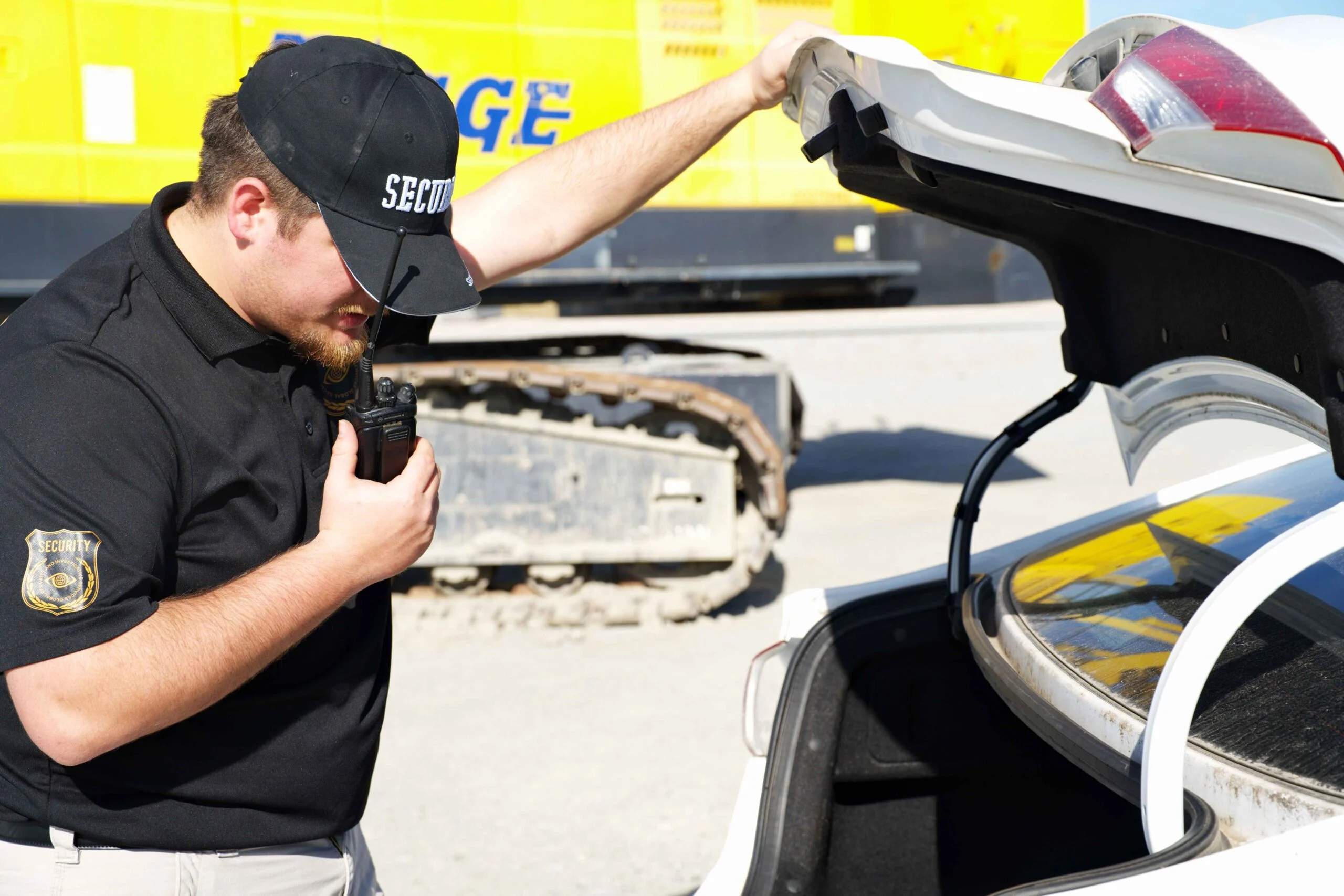
Lot and exit protection—the core investment: visible security presence covering the parking lot and entrance during operating hours—the layer that ends the donor-targeting pattern, resolves loitering consistently, and transforms the walk to the car from the visit's worst moment into a non-event. Donor-retention data makes the case internally: donors return to centers where they feel safe leaving.
Floor and lobby presence: officers supporting the deferral conversations and eligibility refusals (the trained professional absorbing what phlebotomists shouldn't), managing queue friction at peak hours, and responding to floor incidents so clinical staff stay clinical.
Payment-point discipline: kiosk-area attention, card-loading privacy practices, and the exit-flow awareness that denies observers the donor-selection intelligence robbery patterns run on.
Documentation for the regulated environment: incident records and coverage logs built for the compliance culture plasma operations already live in.
Multi-center programs: donation networks cover their footprint with consistent standards and shared patrol or response arrangements across locations.
Altais Private Security serves plasma and donation centers across the Midwest—lot coverage, floor presence, peak-hour programs, and multi-center standards.

Your donors fund their lives and save others'. Contact Altais Private Security for a free consultation and protect them door to door.


Find Us On


