


Recycling Center and Scrap Yard Security: Protecting the Business That Buys What Thieves Sell
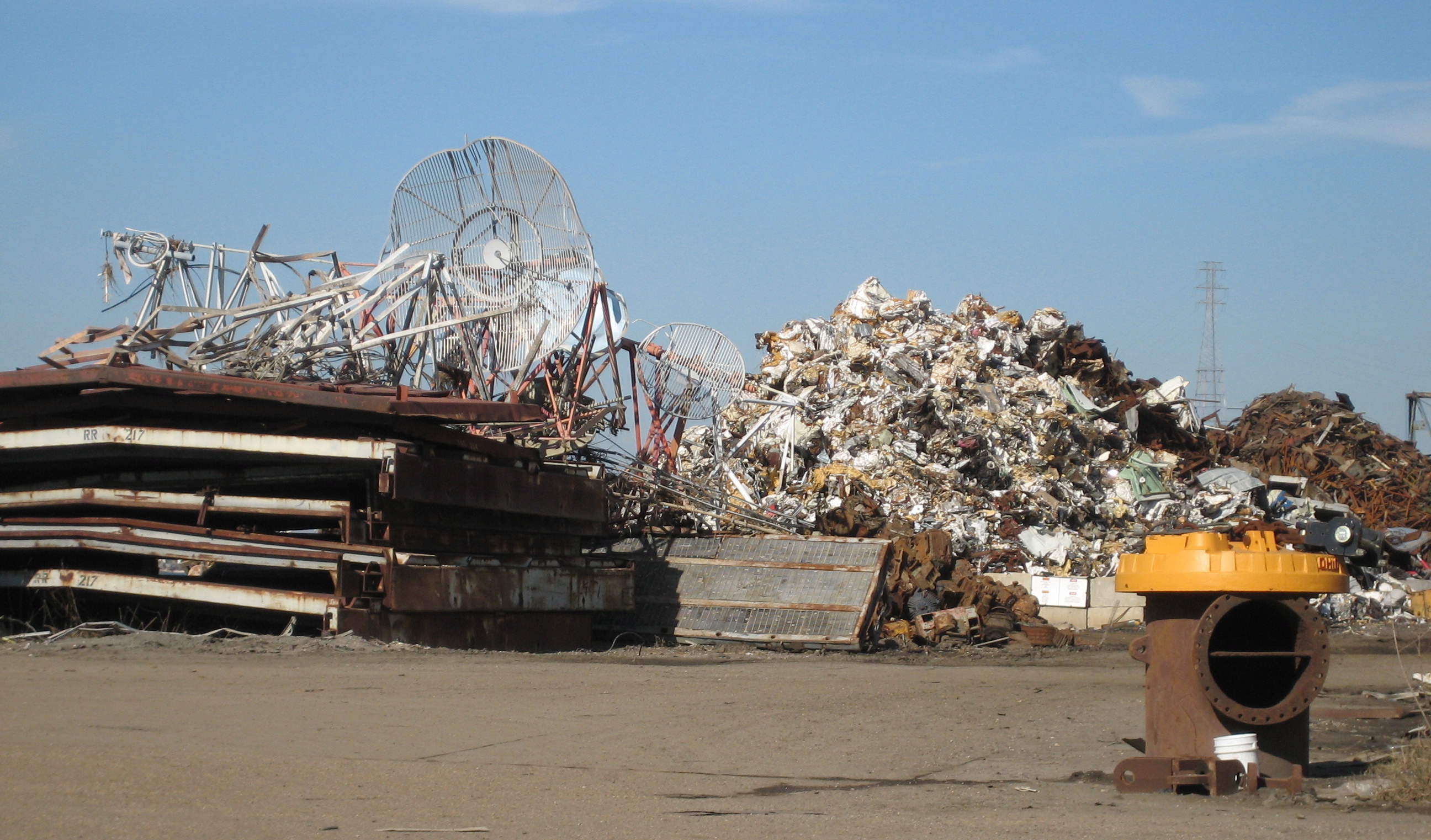
Scrap and recycling operations occupy a strange position in the metal-theft economy: they're simultaneously the industry that thieves try to sell to, a cash-intensive business in their own right, and a yard full of exactly the material—processed metal, catalytic converters in custody, copper by the gaylord—that other thieves steal from. Add the compliance weight modern scrap regulation carries (ID requirements, transaction records, holds, and the law-enforcement relationships responsible recyclers maintain) and the trade runs security on three fronts at once: the yard, the counter, and the license.
For recycling center owners, scrap yard operators, and metals processors across the Midwest, here's the three-front program.
Front One: The Yard
Processed metal is money in piles. Sorted copper, aluminum, brass, and converter inventories are the yard's cash crop—and yard-on-yard theft is the trade's persistent irony: scrap yards get scrapped, by crews who know exactly what the sorted piles are worth and where the fence sags. Prepared loads staged for shipment are the prime target; equipment, batteries, and fuel round out the menu.
Big perimeters, industrial edges. Scrap yards sprawl—rail access, water frontage at some operations, and fence lines measured in quarter-miles—with the perimeter-maintenance battle every large industrial site fights.
Front Two: The Counter
Cash operations at volume. Scale-house and counter transactions run heavily cash (within each state's payment regulations), creating the standard cash-business robbery and internal-shrinkage exposures at industrial volume.
The stolen-material interface. The trade's defining tension: sellers bringing suspect material—and the confrontations that refusals, ID requirements, and police-hold procedures generate. The seller turned away with a truckload of suspicious copper doesn't always leave graciously, and counter staff absorb exactly that moment, daily.
Front Three: The License
Modern scrap operates under real regulatory scrutiny—transaction documentation, seller identification, tag-and-hold requirements, and the law-enforcement cooperation that responsible operators build their reputations on. Every compliance failure risks the license; every well-documented refusal builds the standing that keeps municipal relationships and permits healthy.
The Scrap Yard Security Program
Yard protection at industrial scale: perimeter discipline with rapid breach repair (the sagging fence is tomorrow's entry), lighting across processing and staging areas, prepared-load placement deep in the yard and staged short of shipment day, and camera coverage of gates, scales, and staging.
Overnight patrol coverage: the yard's core answer—randomized patrol checks through the night covering fence lines, staged loads, converter and copper inventory, and equipment rows; unpredictable human presence attacking the timing calculation yard crews run, with documented rounds and post-theft escalation through the repeat window. Multi-yard operators cover their footprint on shared routes.
Counter and scale-house protection: cash discipline (drops, limits, and secured movement to deposit), barrier-conscious counter design, staff de-escalation training for the refusal moments, and professional presence during operating hours at yards with confrontation patterns—the officer whose visibility turns the refused-seller standoff into a quiet departure.
Compliance-supporting documentation: incident records, refusal logs, and security documentation that feed the operation's regulatory file—demonstrating exactly the responsible-operator posture licenses and police relationships reward.
Security as Industry Citizenship
Here's the trade's bigger picture: every secured scrap yard strengthens the whole regional fight against metal theft—the yards that verify, refuse, document, and cooperate are the reason stolen copper gets harder to sell, and the operators who run visible security on their own inventory close the loop. It's protection, compliance, and industry reputation in one program.
Altais Private Security serves recycling centers and scrap yards across the Midwest—overnight yard patrols, counter-hours presence, multi-site programs, and documentation standards built for the trade's regulatory realities.

Your yard sits on both sides of the metal-theft economy. Contact Altais Private Security for a free consultation and secure your side completely.



Find Us On


