


Retail Security: How Stores Can Fight Shoplifting, Protect Staff, and Keep Customers Coming Back
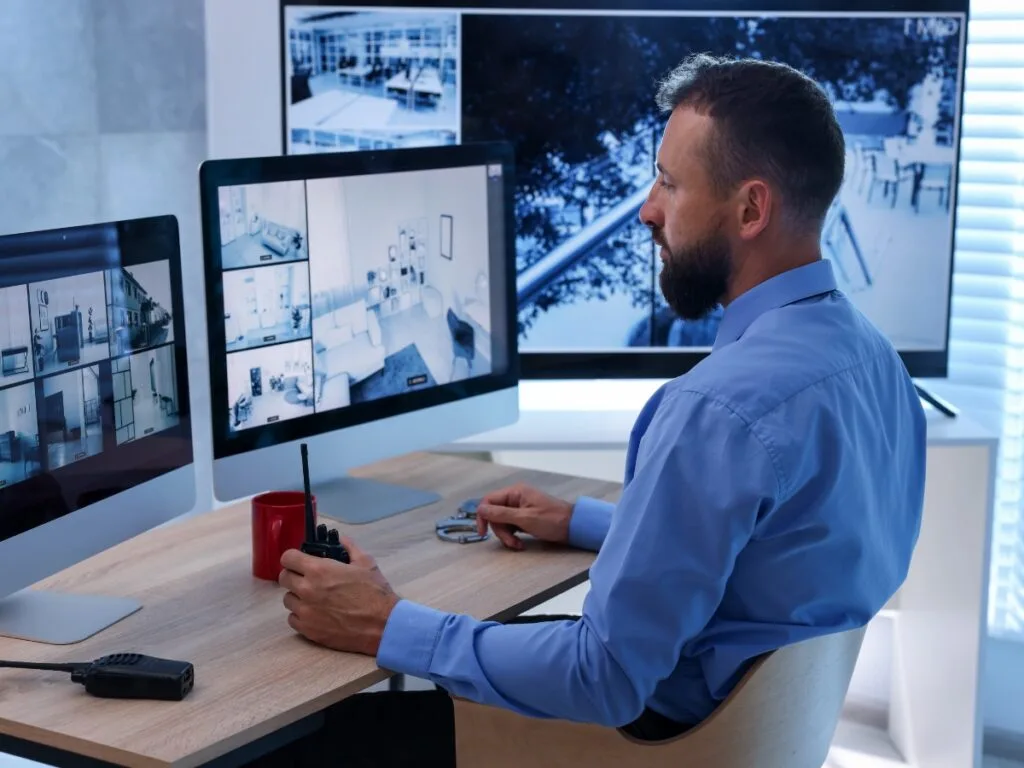
Retail theft isn't a minor annoyance anymore—it's a margin killer. Between shoplifting, organized retail crime, employee theft, and after-hours break-ins, stores lose a meaningful percentage of revenue every year to shrinkage. And the damage doesn't stop at inventory: staff confrontations with thieves create safety risks and liability, while visible theft and disorder drive away exactly the customers you want walking in.
If you own or manage a retail store, boutique, shopping center, or strip mall anywhere in the Midwest, here's how professional retail security actually protects your business—and why the stores that invest in it consistently outperform those that just absorb the losses.
The Real Cost of Retail Theft
Shrinkage numbers only tell part of the story. When you tally the true cost of retail crime, it includes stolen merchandise—the obvious loss, compounding daily; damaged goods and displays from grab-and-run incidents; staff turnover, because employees don't stay at stores where they feel unsafe or are expected to confront thieves; customer loss, since shoppers avoid stores where they've witnessed theft, aggression, or loitering; rising insurance costs after repeated claims; and liability exposure when confrontations go wrong—which is precisely why untrained staff should never be your theft response plan.
For many retailers, a single season of unchecked theft erases the profit of hundreds of legitimate sales. That's the math that makes professional retail security an investment rather than an expense.
How Retail Security Guards Change Store Outcomes
Deterrence at the Door
The majority of shoplifting is opportunistic—and opportunists avoid stores with visible security. A uniformed guard at the entrance changes the calculation before a thief ever picks up an item. Organized retail crime crews, who scout stores before hitting them, consistently skip locations with professional security presence in favor of easier targets.
Trained Response Instead of Risky Confrontation
Here's a rule every retailer should enforce: employees should never physically confront thieves. It's dangerous, it's a liability minefield, and it's not their job. Professional security guards are trained for exactly these situations—observing, documenting, deterring, intervening lawfully and proportionately, and coordinating with police when warranted. That training is the difference between a resolved incident and a lawsuit.
Protection for Your People
Retail staff deal with more than shoplifters: aggressive customers, disturbed individuals, loiterers, and late-shift risks in parking areas. A security presence protects your team through all of it—and employees notice. Stores with professional security report better staff morale and retention, especially for evening shifts.
A Better Shopping Environment
Customers read a store's atmosphere instantly. Professional, courteous security signals a safe, well-run business—particularly important for stores in busier corridors, stores open late, and shopping centers where the parking lot experience shapes the visit as much as the store itself.
Retail Security Options That Fit Different Stores
Dedicated in-store guards for stores with active theft problems, high-value merchandise, or high traffic—full-time deterrence and response where the risk lives.
Peak-period coverage for weekends, evenings, sale events, and the holiday rush, concentrating security spend exactly when incidents concentrate.
Shopping center and strip mall coverage shared across tenants—one guard or patrol serving the whole property makes professional security remarkably affordable per store, while protecting the common areas and parking lots no single tenant controls.
Mobile patrol services for after-hours protection against break-ins and vandalism, with randomized overnight checks of storefronts, rear doors, and lots.
Seasonal programs built around the retail calendar—because your November risk profile is nothing like your February one.
The Holiday Season: Plan Now, Not in December
Every retailer knows the fourth quarter brings peak sales—and peak theft. Inventory is at its highest, stores are crowded, staff are stretched, cash handling spikes, and both shoplifters and organized crews do their biggest business of the year. Parking lots fill with distracted shoppers and loaded vehicles, making vehicle break-ins surge too.
The retailers who get holiday security right book it early—securing coverage before the seasonal demand crunch—and treat it as part of holiday operations planning, right alongside staffing and inventory. If your store has ever white-knuckled a December, this is the year to plan differently.
Smart Practices That Multiply Your Security Investment
Professional security works best alongside sound retail practices: keep sightlines open and high-theft items visible from staffed areas; greet every customer—acknowledgment is a proven theft deterrent; control fitting rooms and monitor entrances and exits; manage cash with drop safes and varied deposit routines; light your storefront and parking area properly; and train staff on what to observe and report—never what to physically stop.
Protect Your Store Like the Investment It Is
You've put everything into your retail business—inventory, staff, brand, and countless hours. Professional retail security protects all of it: deterring theft before it happens, handling incidents lawfully when they occur, and giving your staff and customers a store that feels as good as it looks.
Altais Private Security provides professional security guards and mobile patrol services for retail stores, shopping centers, and commercial properties across the Midwest—with coverage options scaled from single boutiques to full retail centers, and seasonal programs built around your busiest months.

Don't let another season of shrinkage eat your margins. Contact Altais Private Security for a free retail security consultation today.



Find Us On


