


Security for Churches and Places of Worship: Protecting Your Congregation Without Losing the Welcome
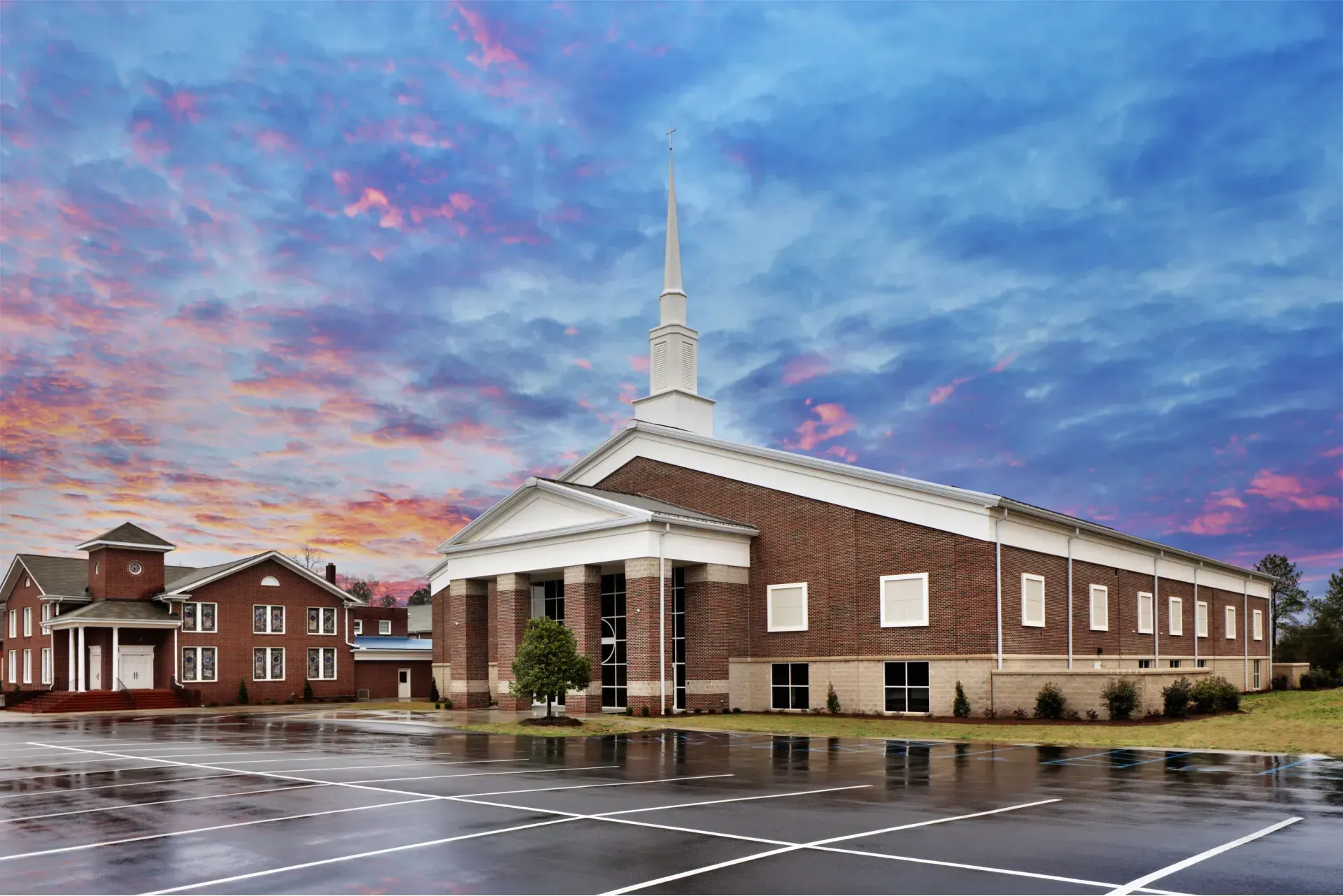
Places of worship face a security challenge unlike any other kind of property: their entire mission is openness. The doors are meant to be unlocked. Strangers are meant to be welcomed. The building is meant to say come in—to everyone, including people in crisis, people unknown to the congregation, and, occasionally, people who bring risk through the doors with them.
Church leaders across the Midwest are wrestling with the same question: how do we protect our congregation without turning our sanctuary into a fortress? The encouraging answer, from congregations that have found the balance: thoughtful security doesn't diminish the welcome. Done right, it's what makes the welcome sustainable. Here's how.
The Security Realities Places of Worship Face
It's uncomfortable to catalog, but planning requires honesty about the risks congregations actually encounter:
Disruptions during services. Individuals in crisis, intoxicated visitors, or agitated persons entering during worship—the most common serious incident category, and one every large congregation eventually experiences.
Theft. Offerings and cash handling, AV and music equipment worth tens of thousands, vehicles in large lots sitting unattended for predictable ninety-minute windows every week.
Vandalism and property crime. Church buildings sit empty most of the week—a vacancy pattern criminals know as well as the congregation does.
Domestic situations arriving at church. Custody conflicts and dangerous ex-partners know exactly where a family will be on Sunday morning. Churches are frequent venues for these confrontations precisely because attendance is predictable.
Children's ministry security. Any organization caring for children carries responsibility for controlled check-in, authorized pickup, and protected spaces.
Targeted threats. Rare, but real enough that responsible congregations plan for them—as tragic national events have repeatedly shown.
Events beyond services. Weddings, funerals, concerts, and community events each bring outside crowds with their own dynamics. Funerals in particular can concentrate family conflict at an emotionally raw moment.
The Layered Approach That Preserves the Welcome
Start with a Security Assessment
Every congregation's risk profile is different—size, location, layout, programming, and history all matter. A professional security assessment walks your property and your weekly rhythms: entrances during services, offering handling, children's areas, parking flow, evening programming, and building access through the week. From that picture comes a plan proportionate to your actual situation—not fear-driven, not naive.
Build a Culture of Friendly Awareness
The best first layer costs nothing: greeters and ushers who genuinely welcome everyone are also, quietly, the congregation's awareness network. Warm eye contact and a personal greeting serve hospitality and security simultaneously—people intending harm consistently report being deterred by being seen and engaged. Training your hospitality team on what to notice and how to alert leadership turns your friendliest members into your security foundation.
Control the Right Doors, Not All of Them
Openness doesn't require every door unlocked at all hours. Congregations that manage security well funnel arrivals through welcoming, attended main entrances during services while securing secondary doors; lock down appropriately during office hours and evening programs when staff are few; and implement real check-in/check-out systems for children's areas. The building remains welcoming where people arrive—and protected everywhere else.
Add Professional Security Where It Matters
This is where many congregations hesitate—will guards change the atmosphere?—and where experience is reassuring: professional security for places of worship is a well-established specialty, and it's built on discretion. Options include:
Service-time presence. An officer—uniformed or in plain clothes, per your preference—present during worship, positioned near entrances, watching the parking lot during services, and available instantly if a disruption occurs. Most congregants never register the presence; leadership registers the peace of mind immediately.
Off-duty police officers. Many congregations choose off-duty law enforcement for service coverage—bringing training, authority, and immediate police coordination in the rare serious event.
Event coverage for funerals with known family tensions, weddings, concerts, and large gatherings.
Weekday patrols. Mobile patrol services checking the property through the empty weekdays and overnight—an affordable answer to the vacancy problem, protecting the building your congregation sacrificed to build.
Offering escort and cash handling security for the predictable movement of funds.
Plan for Emergencies Before They Happen
Every congregation should have simple, practiced plans: how ushers respond to a disruption, how children's areas secure during an incident, evacuation routes, medical emergency response, and who calls police. Professional security partners help develop these plans—and their presence means someone trained is already there when plans meet reality.
Making the Decision as a Leadership Team
Security conversations in congregations can be tender—balancing stewardship, mission, and differing comfort levels. A few framings that help: security is a ministry of protection for the people God has gathered—the children in your nursery, the elderly in your pews, the family hiding from an abuser who found safety in your sanctuary. Proportionate planning is faithful, not fearful. And professional guidance de-escalates internal debate—an experienced assessment replaces speculation with facts about your actual property and risks.
Protect the Flock, Preserve the Welcome
Your congregation deserves both safety and sanctuary—and they were never actually in conflict. With thoughtful planning, trained awareness, and the right professional presence, your doors stay open, your welcome stays genuine, and the people inside stay protected.
Altais Private Security provides discreet security services for churches and places of worship across the Midwest—including service-time officers, off-duty police, event coverage, weekday patrols, and security assessments tailored to congregational life.

We'd be honored to help you protect what happens under your roof. Contact Altais Private Security for a free consultation today.



Find Us On


