


Summer Event Season Security: Preparing for Festivals, Fairs, and Outdoor Gatherings
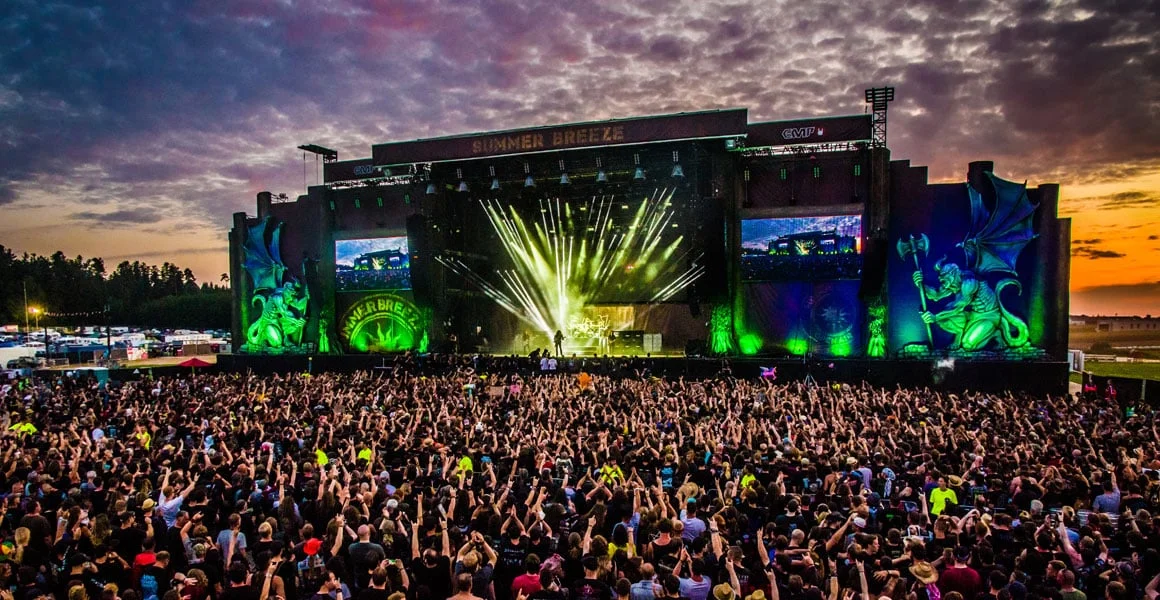
When summer arrives in the Midwest, the region comes alive outdoors: festivals, county fairs, concert series, food truck rallies, farmers markets, block parties, company picnics, and community celebrations fill every weekend from Memorial Day through Labor Day. It's the best season of the year for gathering—and the busiest season of the year for event security, because outdoor summer events carry a distinct set of challenges that indoor venues never face.
If you're organizing outdoor events this summer—as a business, municipality, community group, or venue—here's what makes summer event security different and how to prepare for a safe, successful season.
Why Outdoor Summer Events Are a Different Security Challenge
No walls means no natural perimeter. Indoor venues control access by architecture—doors, capacity, walls. Outdoor events must create their perimeter: fencing, gates, checkpoints, and monitoring, all of it designed and staffed deliberately. Weak perimeters produce gate-crashing, unticketed entry, and uncontrolled crowds.
Heat changes everything. Summer heat drives medical incidents—dehydration and heat exhaustion spike at outdoor events, especially with alcohol involved. It also frays tempers measurably: hot, crowded, and waiting in line is the recipe for conflicts that wouldn't happen in October.
Alcohol plus sunshine plus hours. Summer events run long—afternoon into night—and day-drinking dynamics are their own category. By evening, security is managing guests who've been consuming since noon.
Weather is a genuine security function. Midwest summer means pop-up thunderstorms, lightning, and severe weather that can hit an open field full of people with little warning. Evacuation and shelter planning isn't paperwork—outdoor events genuinely execute these plans, and crowds move safely only when trained personnel direct them.
Parking sprawls. Outdoor events often mean grass lots, street parking, and long walks—expanding the vehicle break-in surface and the guest safety zone far beyond the event footprint.
Cash and vendors everywhere. Fairs and festivals run on distributed cash: vendor booths, ticket gates, beer tents—dozens of small cash operations that need protective attention.
The Summer Event Security Playbook
Design the Perimeter First
Every outdoor event plan starts with the boundary: where fencing runs, where entry gates funnel arrivals, how many entrances (fewer is more controllable), where emergency egress opens wide, and how the perimeter is monitored between gates. Get the perimeter right and half your security challenges never materialize.
Staff the Gates for Flow and Filtering
Entry points handle ticketing or wristbands, bag checks where appropriate, prohibited item screening (coolers, glass, weapons per your policies), and the crucial first assessment of arriving guests. Well-staffed gates move lines fast—critical in heat—while filtering problems at the property line.
Build Heat and Medical Awareness Into Coverage
Summer event security teams actively watch for heat distress, coordinate with medical staff, know where water and shade are, and help vulnerable guests before situations become emergencies. This service dimension of event security saves more summer event outcomes than any other single practice.
Manage the Alcohol Arc
Long events need pacing awareness: monitoring beer garden dynamics, supporting responsible service, watching the late-afternoon transition when day-drinking peaks, and handling intoxicated guests with de-escalation and dignity. Events with professional alcohol-area coverage see dramatically fewer incidents in the closing hours.
Have a Real Weather Plan
Work with your security team on trigger conditions (lightning distance, wind thresholds, warnings), shelter locations or evacuation routes, announcement and direction protocols, and who makes the call. Then make sure every officer knows their role. When the sky turns, an organized response led by trained personnel is the difference between an orderly pause and a dangerous scramble.
Cover the Parking and the Walk
Patrol coverage of parking areas protects vehicles through the event and guests during arrivals and departures—including the late-night walk to distant grass lots that's every event's final security responsibility.
Protect the Money
Coordinate cash handling security with vendors and gates: escorts for cash movement, attention to cash-heavy booths, and secure end-of-night collection. Distributed cash is a summer event signature—plan for it deliberately.
Book Early: The Summer Crunch Is Real
Here's the practical warning every organizer should hear: summer weekends are the tightest security staffing season of the year. Every festival, fair, wedding, and event in the region is drawing from the same pool of professional officers on the same Saturday nights. Organizers who book security when they book their venue get experienced teams and planning time; organizers who call in June get whatever's left.
Bring your security partner in early enough to walk the site, shape the perimeter plan, coordinate with local police and EMS, and staff properly. Early engagement costs nothing extra—and buys everything.
Make This the Smooth Season
A great summer event feels effortless: gates flow, crowds enjoy, weather plans stay in the back pocket, and everyone gets home safe. Behind that effortlessness is professional planning and trained people—which is exactly what Altais Private Security brings to festivals, fairs, concerts, community events, and private gatherings across the Midwest, from perimeter design and gate staffing through crowd management, off-duty police coverage, and parking patrols.

Planning your summer calendar? Let's plan the security alongside it. Contact Altais Private Security for a free consultation today.



Find Us On


