


Utility and Critical Infrastructure Security: Protecting the Sites Everything Depends On
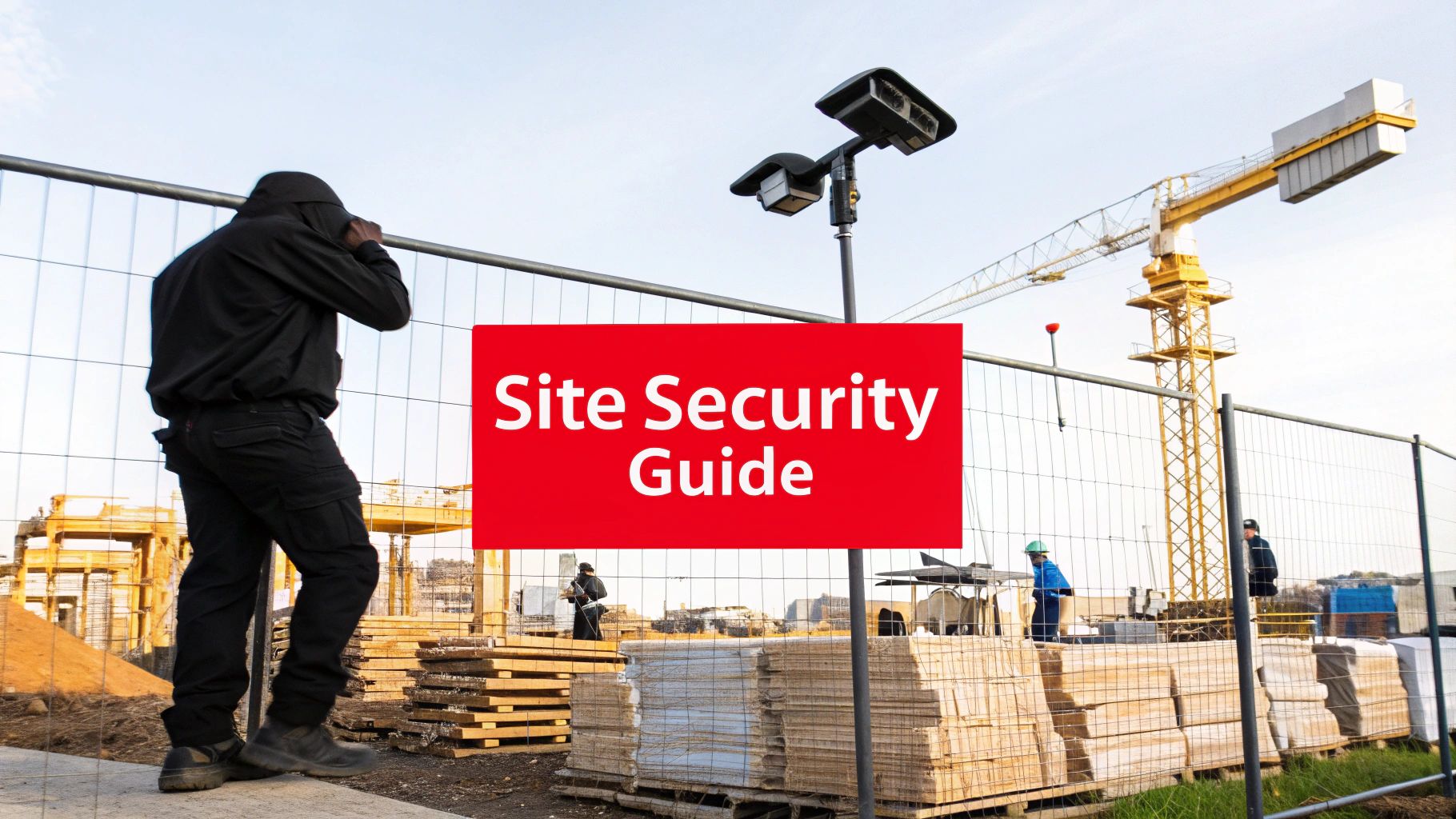
Most properties protect value that belongs to their owners. Infrastructure sites protect value that belongs to everyone: the substations, utility yards, water facilities, communications sites, pipelines, and energy installations that entire communities depend on without thinking about. When these sites are hit—and they are hit, with copper theft, vandalism, and intrusion incidents making national news repeatedly in recent years—the losses cascade far past the fence line: outages, service disruptions, public safety risks, and repair costs that dwarf whatever the intruder took.
For utilities, cooperatives, municipalities, telecom operators, and contractors managing infrastructure across the Midwest, here's the security picture for the sites everything depends on.
Why Infrastructure Sites Are Targeted
Copper and metals in quantity. Substations, utility yards, and communications sites concentrate exactly what metal thieves want—grounding systems, cabling, and components—in locations that are, by design, remote and unmanned. The theft economics are brutal for owners: thieves extract hundreds in scrap by causing tens or hundreds of thousands in damage and outage costs, sometimes at genuine risk to their own lives and to the technicians who respond.
Remote, unmanned, and predictable. Most infrastructure sites operate without staff—visited on maintenance schedules, watched by cameras nobody monitors live, and protected primarily by fencing that determined intruders treat as a suggestion. Offenders learn quickly which sites see human presence and which never do.
Equipment and fleet value. Utility yards hold vehicles, tools, wire inventory, transformers, and construction material for ongoing projects—conventional theft targets in industrial quantity.
Vandalism and intentional damage. Beyond profit-motivated crime, infrastructure faces the harder category: deliberate damage, from casual vandalism to targeted attacks on equipment—a risk category that has drawn increasing regulatory and industry attention nationwide.
Trespass with consequences. Even non-malicious intrusion at energized or hazardous sites creates severe risks—to the trespasser, to workers, and to the operator's liability.
The Layered Response for Infrastructure
Hardening That Actually Slows Entry
Physical measures set the baseline: intrusion-resistant fencing and anti-climb treatments; hardened locks and access points; interior lighting that eliminates working darkness; signage that establishes legal posture; and where warranted, ballistic or barrier protection for critical components. Hardening alone doesn't stop determined offenders—but it slows them, and slowing them is what makes the next layer decisive.
Detection That Someone Answers
Cameras and sensors at unmanned sites earn their cost only when connected to response: monitored systems, alarm verification, and—the layer that changes outcomes—someone who actually shows up.
The Human Layer: Patrols and Response
Randomized mobile patrols are the workhorse of infrastructure security: officers checking remote sites on unpredictable schedules—inspecting fence lines, gates, and locks; looking for tampering, staging, and the pre-theft indicators (cut fencing "tests," marked components) that precede major hits; and documenting every visit. For a utility's portfolio of substations and sites, one patrol program covers dozens of locations that could never justify individual staffing—and converts every site from "never visited" to "visited unpredictably," which is the deterrence math that matters.
Alarm response gives detection its teeth: when the sensor trips at 2 AM, a professional responds, assesses, and coordinates with police and the operator's on-call staff.
Dedicated coverage for elevated periods: active construction projects with staged material, sites that have been hit (the repeat-targeting rule applies fully to infrastructure), periods of elevated threat, and high-criticality installations that warrant standing presence.
Documentation for a Regulated World
Utilities live in compliance frameworks, and security documentation fits the culture: patrol logs, inspection records, incident reports, and response documentation that serve regulatory expectations, insurance requirements, and the operator's own reliability accountability.
The Contractor Dimension
Infrastructure construction—new substations, solar and energy projects, pipeline work, broadband builds—creates temporary sites with permanent-grade targets: wire inventory, heavy equipment, and staged components in rural locations. Project security (patrols, dedicated overnight coverage during high-value phases, and delivery coordination) protects budgets and schedules the same way it does on any construction site—with the added stakes infrastructure carries.
Protecting What Communities Run On
Infrastructure security is community protection at one remove: every prevented copper theft is an outage that never happened, a crew that never worked a hazardous emergency repair, and a service that stayed on. Altais Private Security provides infrastructure and utility site security across the Midwest—multi-site patrol programs, alarm response, project coverage, and assessments built for the operational and compliance realities utilities and municipalities manage.

Responsible for sites everyone depends on? Contact Altais Private Security for a free consultation today.



Find Us On


