


Warehouse and Industrial Security: Protecting Inventory, Equipment, and Operations Around the Clock
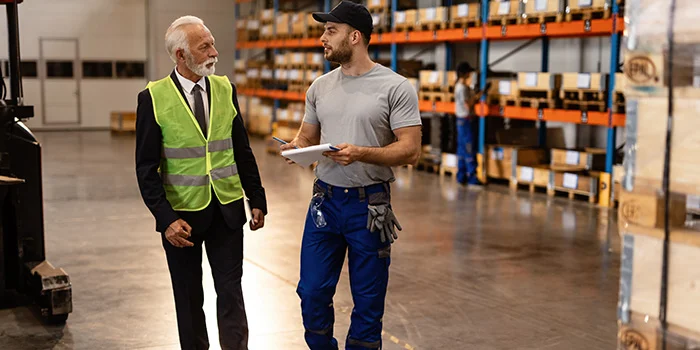
Warehouses and industrial facilities concentrate enormous value in buildings that mostly sit in quiet, low-traffic areas—exactly the combination criminals look for. Full racks of inventory, loaded trailers, expensive machinery, copper and metals, tools, and fleet vehicles, often protected by little more than a fence and a camera system nobody's watching in real time.
If you operate a warehouse, distribution center, manufacturing plant, or industrial yard in the Midwest, this guide covers the threats these facilities actually face and how professional industrial security keeps your operation protected around the clock.
The Threat Profile of Warehouses and Industrial Sites
Cargo and inventory theft. Loaded trailers and staged shipments are prime targets—cargo crime is a multi-billion-dollar problem nationally, and it doesn't just hit trucks on highways. Facilities where trailers sit loaded overnight or over weekends are frequent hunting grounds.
Internal shrinkage. It's uncomfortable but real: facilities with high inventory volume and many hands moving product face meaningful internal theft risk. Access control, visible security, and documentation dramatically reduce it—honest employees appreciate the accountability too, because it protects them from suspicion.
Metal and equipment theft. Copper wiring, catalytic converters on fleet vehicles, batteries, tools, and machinery components all feed active resale markets. Scrappers can inflict massive operational damage extracting modest scrap value.
Trespassing and unauthorized access. Large perimeters, multiple gates, and busy shipping schedules make industrial sites hard to seal. Trespassers range from thieves scouting the facility to individuals creating safety and liability problems just by being on-site.
Vandalism and sabotage. Disgruntled ex-employees and random vandals alike can disrupt operations far beyond the cost of the physical damage—one damaged piece of critical equipment can idle an entire line.
After-hours vulnerability. Most industrial crime happens when facilities are empty or minimally staffed: nights, weekends, and holidays. That's also when discovery is slowest, giving criminals the longest head start.
How Professional Industrial Security Works
Gate and Access Control
The foundation of facility security is knowing exactly who and what enters and leaves. Professional security officers at your gate verify drivers and visitors, check shipping documents against loads, log all traffic, and ensure that trailers, vehicles, and people on your property are supposed to be there. For facilities moving significant freight, gate control alone pays for itself in prevented cargo loss and shipping discrepancies.
Perimeter Patrols and Facility Checks
Officers patrol the property on foot and by vehicle—checking fence lines for breaches, verifying doors and dock seals, monitoring yards and trailer storage, watching for trespassers, and documenting conditions throughout every shift. Randomized patrol patterns prevent anyone from timing your security.
Overnight and Weekend Coverage
Because industrial risk concentrates in off-hours, so should coverage. Options scale from dedicated overnight guards for high-value facilities to mobile patrol services making randomized checks across the night—an affordable solution for smaller operations and multi-site companies.
Fire and Safety Watch
Industrial security officers serve as after-hours eyes for more than crime: catching water leaks, equipment left running, fire hazards, open docks, and safety issues before they become six-figure incidents. Many operators find this alone justifies the coverage.
Incident Documentation
Every patrol, every gate transaction, every anomaly—documented. That record supports insurance claims, resolves shipping disputes, aids investigations, and demonstrates the due diligence your insurers and customers increasingly expect.
Multi-Site and Yard Security
Companies operating multiple facilities, storage yards, or fleet lots face a coverage math problem: dedicated guards at every location rarely pencil out. Mobile patrol services solve it—one professional patrol covering several sites per shift with randomized visits, providing real deterrence across your entire footprint at shared cost. Many Midwest operators combine a dedicated guard at their primary facility with patrol coverage across satellite locations.
What to Look For in an Industrial Security Partner
Industrial facilities are demanding environments, and not every security company handles them well. Look for experience with warehouse and industrial clients specifically; officers trained for the environment—safety protocols, dock procedures, and professional interaction with drivers and crews; reliable shift coverage with guaranteed backup, because a gap on a Saturday night is exactly when it hurts; thorough reporting you can actually use; and the flexibility to scale coverage with your operations—peak season, expansions, and elevated-risk periods.
Protect the Operation That Everything Depends On
Your facility isn't just a building—it's the engine of your business. Every pallet, trailer, and machine inside it represents commitments to customers and livelihoods for your team. Professional warehouse and industrial security protects all of it, around the clock, with trained officers and documented accountability.
Altais Private Security provides security guards, gate control, and mobile patrol services for warehouses, industrial facilities, and yards across the Midwest—with coverage built around your operation's actual risks and schedule.




Find Us On


