


What Does a Security Guard Actually Do? A Look Inside Professional Protection
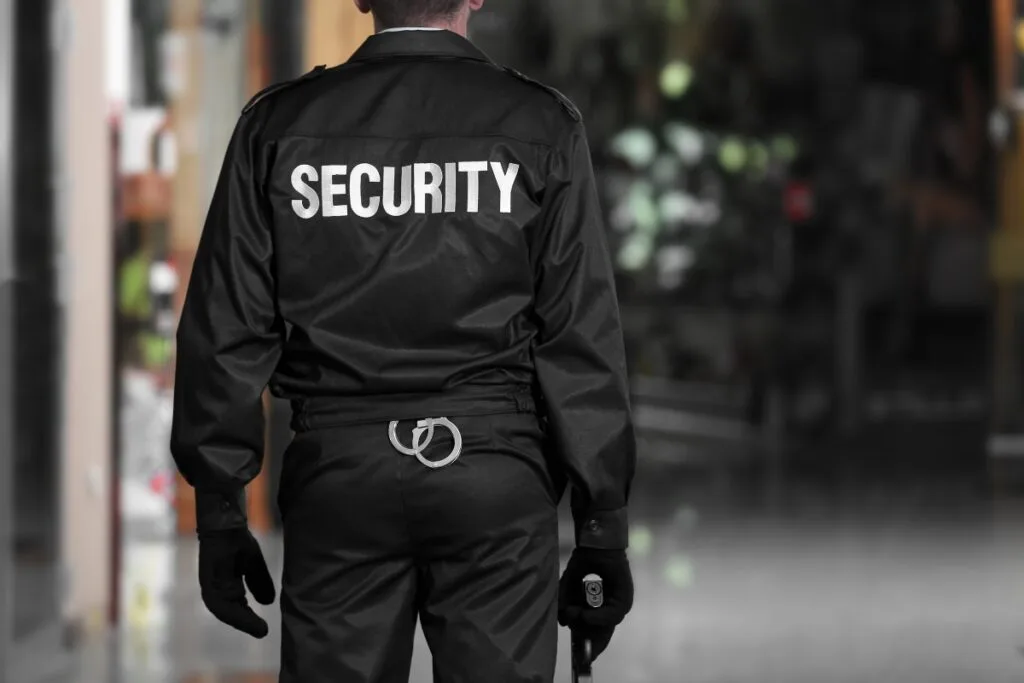
Most people's mental image of a security guard comes from movies: a bored figure at a desk, glancing at monitors. The reality of professional security work is almost nothing like that—and understanding what trained security officers actually do explains why properties with professional security consistently see fewer incidents, lower losses, and safer environments than properties without it.
Whether you're a business owner considering hiring security, a property manager comparing options, or simply curious what you're actually paying for, here's an honest look inside the work.
The Core Duties of a Professional Security Officer
Visible Deterrence—The Job Within the Job
Before a security officer does anything, their presence is already working. Criminals select targets by risk, and a professional officer in uniform raises that risk beyond what most are willing to accept. The shoplifter moves on. The car burglar picks a different lot. The vandal finds an unwatched wall. This invisible workload—the incidents that never happen—is the largest part of security value, and it accrues every minute an officer is present.
Patrols and Inspections
Security officers move—walking or driving assigned routes, checking doors, gates, and access points; inspecting for damage, hazards, and signs of intrusion; varying their patterns so no one can time them; and covering the property's vulnerable areas with trained eyes. Good patrol work catches problems small: the propped door before the theft, the trespasser before the encampment, the leak before the flood.
Access Control
At lobbies, gates, and entrances, officers manage the most fundamental security question: who gets in? Verifying employees and visitors, managing contractor and delivery access, enforcing guest policies, and keeping unauthorized individuals out. Nearly every workplace incident, theft, and confrontation begins with someone being where they shouldn't—access control stops the chain at link one.
Observation and Reporting
Professional officers are trained observers who document everything: patrol logs, incident reports, unusual conditions, and detailed accounts when something happens. That documentation serves insurance claims, liability defense, police investigations, and management decisions. The difference between "something happened last night" and a time-stamped professional report is enormous when it matters.
De-escalation and Incident Response
When situations develop—disputes, disruptive individuals, confrontations, trespassers who won't leave—officers respond with training most people don't have: calm verbal de-escalation, controlled body language, clear boundaries, and proportionate action. The professional standard is resolving situations at the lowest possible intensity. The overwhelming majority of incidents end with words, not force—because trained words work.
Emergency Response
Security officers are frequently first on scene for every kind of emergency: medical events, fires, severe weather, accidents, and crimes in progress. They provide immediate assistance, initiate emergency protocols, guide evacuations, coordinate with police, fire, and EMS, and manage scenes until responders arrive. In emergencies, the trained person already on-site is worth more than any technology in the building.
Customer and Tenant Service
Here's the duty that surprises people: modern security is substantially a service role. Officers give directions, escort employees to cars, assist customers, help tenants, and serve as a reassuring, helpful presence. The best officers strengthen the experience of a property—people feel welcomed and safe, not watched. Ask property managers what they value most and this often tops the list.
The Skills Behind the Uniform
Professional security officers bring training the public rarely sees: state licensing requirements and background screening; de-escalation and communication techniques; legal knowledge—what officers can and cannot do, use-of-force standards, trespass law basics; emergency and first-aid response; report writing and evidence awareness; and for armed officers, substantially deeper training, licensing, and ongoing qualification.
This is why the gap between professional security companies and cut-rate providers matters so much. The uniform is the same; the person inside it is not.
A Shift in the Life: What It Actually Looks Like
Consider an overnight shift at a commercial property: the officer arrives and reviews the day's notes—a tenant reported a suspicious vehicle; maintenance left a dock door awaiting repair. First patrol: full perimeter, every door checked, the broken dock secured with extra attention all night. Mid-shift: a car enters the empty lot and sits—the officer observes, approaches professionally, and the occupants leave; logged with plate and description. Later, a tenant working late requests an escort to her car—two minutes of service she'll mention to the property manager. At 3 AM, the officer notices water pooling under a utility door, catches a failing pipe, and calls emergency maintenance—quietly saving the owner five figures. Morning: a complete log of the night, handed off.
No headlines. No drama. Just a protected property—which is exactly the point.
Why This All Matters When You Hire
Understanding the real scope of security work changes how you evaluate providers. You're not hiring a body at a door—you're hiring deterrence, patrol discipline, trained judgment, emergency capability, documentation, and service, all in one role. Ask prospective companies how their officers are trained, what their reports look like, and how they handle incidents. The companies with good answers deliver everything described above. The ones without deliver the movie stereotype.
Altais Private Security fields professional armed and unarmed security officers for businesses, properties, communities, and events across the Midwest—trained, vetted, and held to the standard this work deserves.
Curious what professional security would look like at your property? Contact Altais Private Security for a free consultation today.
BLOG 27
Blog Title: 7 Signs Your Business Needs Professional Security (Before an Incident Decides for You)
Title Tag: Signs Your Business Needs Security Guards Now (45 chars)
Meta Description: How do you know it's time to hire security? These 7 warning signs tell you your business needs professional protection—before an incident proves it. (148 chars)
Body:
Almost every business that hires professional security does it in one of two ways: proactively, after recognizing the warning signs—or reactively, after an incident made the decision for them. The second group always pays more: the incident itself, the aftermath, and then the security they should have had anyway.
The difference between the two groups isn't luck. It's recognizing the signals early. Here are the seven signs that your business has crossed the line from "probably fine" to "needs professional security"—and what to do about each.
1. Incidents Are Happening Nearby—Even If Not to You Yet
Crime is geographic. When neighboring businesses experience break-ins, vehicle crime rises in the area, or your commercial corridor develops problems, your property is already in the target pool—you just haven't come up in the rotation. Criminals who work an area learn every property in it, and they reliably choose the least protected.
The move: Don't wait your turn. Visible security—even affordable mobile patrols—removes your business from the "easy" list precisely when the local threat is elevated.
2. You've Had "Small" Incidents You Wrote Off
A jimmied back door that didn't quite open. Merchandise walking out. Graffiti. A break-in at your dumpster corral. Someone sleeping in your doorway. Individually, each seems minor—but security professionals read these differently: small incidents are often reconnaissance, tests, or the early pattern of escalation. Properties rarely jump from zero to a major loss; they walk there through ignored small events.
The move: Start documenting everything, and treat a cluster of small incidents as the warning it is. A security assessment can tell you whether you're seeing noise or a pattern.
3. Your Employees Have Raised Safety Concerns
When staff mention feeling unsafe—walking to cars after close, dealing with aggressive customers, working alone on early or late shifts—take it as premium intelligence. Employees see your property's reality more clearly than anyone, and by the time concerns reach you, they've usually been felt for a while. Ignoring them costs you twice: the risk itself remains, and your best people quietly start job hunting, because feeling unsafe at work is a top reason employees leave.
The move: Act visibly. Security presence during vulnerable shifts and parking lot coverage directly addresses the most common employee concerns—and the morale return is immediate.
4. Cash, High-Value Inventory, or Equipment Is Part of Your Operation
Some businesses are structurally attractive targets: cash handling, resale-friendly inventory (electronics, tools, copper, designer goods), expensive equipment, or loaded vehicles. If your business fits, you don't need a warning sign—your operation is the sign. Robbery and burglary planning starts with what's worth taking, and criminals already know your category.
The move: Match protection to what you hold. That may mean armed coverage during cash-heavy hours, overnight guards for high-value inventory, or patrol checks on your yard and fleet.
5. You're Relying on Cameras and Hoping
Cameras are genuinely useful—for deterring some offenders and documenting everything. But if your entire security plan is recording devices, understand what you've bought: excellent footage of your losses. Cameras don't intervene, don't respond, don't protect an employee being confronted, and don't stop a burglary in progress. Ask anyone who's watched crisp footage of their property being emptied.
The move: Keep the cameras—add the response layer. Human security fills exactly the gap technology leaves: presence, judgment, and intervention.
6. Your Hours, Location, or Season Create Predictable Vulnerability
Late-night operations. Early solo openings. Isolated locations. Holiday inventory peaks. Event days. Seasonal shutdowns. Every business has a risk calendar, and criminals read it as well as you do—predictability is their favorite planning tool. If you can name your vulnerable windows, so can someone casing your business.
The move: Target security to those exact windows. Coverage during closing hours, patrols through the overnight, seasonal guards for the holiday rush—precision scheduling delivers protection without paying for hours you don't need.
7. You're the One Locking Up, Checking the Lot, and Losing Sleep
Here's the sign owners recognize last: you've become the security plan. You're the one walking the property at night, responding to alarm calls at 2 AM, positioning yourself near closing time, and carrying a low-grade worry that never quite shuts off. Beyond the personal toll, this is a bad plan—you're not trained for confrontations, your time is your business's most valuable resource, and the worry itself is telling you the risk is real.
The move: Hand the job to professionals. The owners who finally do consistently say the same thing: the peace of mind alone was worth it, and the cost was less than they'd assumed.
Scoring Yourself Honestly
One sign might be circumstance. Two or three is a pattern. Four or more means your business is operating exposed, and the only question is whether you address it before or after the incident that forces the issue. The before path is always cheaper—in money, disruption, and sleep.
And here's the good news hiding in all of this: professional security is more flexible and affordable than most owners assume. Between mobile patrol services, targeted-hours coverage, seasonal programs, and shared arrangements for plazas and complexes, there's a right-sized answer for nearly every business and budget—it starts with an honest assessment of your actual risks.
Altais Private Security provides that assessment free, along with security guards, patrols, and customized protection plans for businesses across the Midwest. If you recognized your business in this list, you already know what to do.

Contact Altais Private Security for a free consultation today—before the decision gets made for you.



Find Us On


