


What Is a Customized Security Plan? Inside the Assessment Process That Protects Your Property
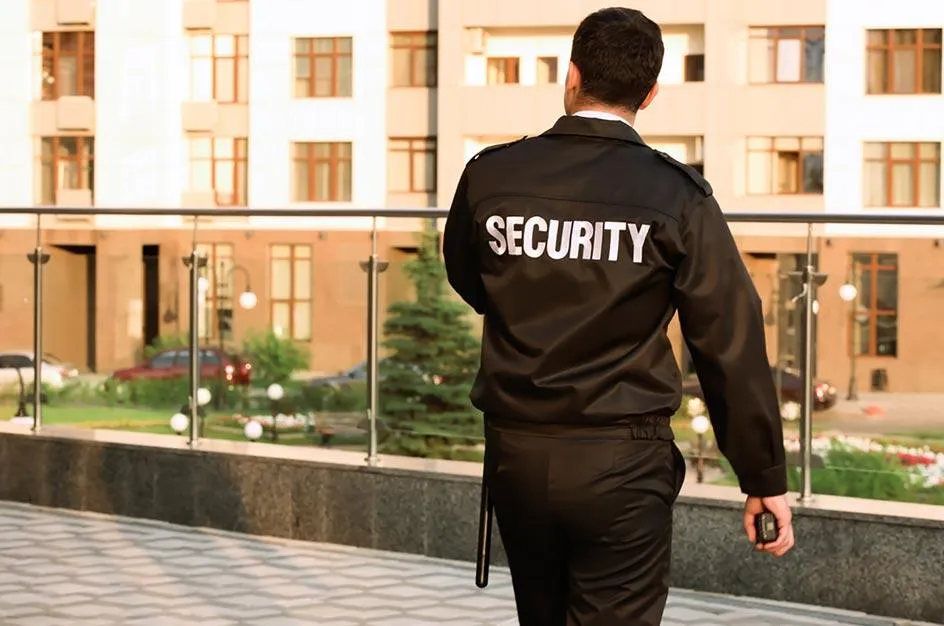
Walk into most security companies and you'll be handed a menu: guards by the hour, patrols by the visit, packages by the tier. Pick one, sign here. It's simple—and it's exactly backwards. Because the question isn't "which package do you want?" The question is "what are you actually protecting, and from what?"
That's the difference between buying security services and getting a customized security plan. One sells you coverage; the other solves your problem. Here's what a real customized security solution involves, how the assessment process works, and why properties protected by tailored plans consistently outperform those running generic packages.
Why One-Size-Fits-All Security Fails
Consider how different these properties really are: a construction site worried about weekend equipment theft; an apartment community dealing with parking lot break-ins and pool trespassing; a corporate office concerned about a volatile termination; a retailer facing holiday shoplifting; a homeowner receiving threats. Same industry—"security"—but utterly different problems requiring different tools, schedules, personnel, and approaches.
Generic security packages fail these situations in both directions: they waste money covering risks you don't have, and they leave gaps exactly where your real risks live. A guard posted at your front entrance does nothing about the rear lot where all your incidents actually happen. Twenty-four-hour coverage burns budget through low-risk daytime hours that could fund stronger protection overnight, when your property is genuinely vulnerable.
Customized security starts from the opposite end: your actual risks first, services second.
The Security Assessment: Where Custom Plans Begin
Every legitimate customized security plan begins with a professional assessment—and this step is where the value gets created. Here's what a thorough assessment examines:
Your Property Itself
A security professional walks your site the way a criminal would case it: Where are the entry points—and which ones are weak? Where does lighting fail after dark? What areas offer concealment? Where are the valuable targets—equipment, inventory, cash, vehicles? How visible is the property to neighbors and passersby? What do the fence lines, gates, and access controls actually accomplish versus what they appear to?
Your Incident History and Environment
What has already happened here—break-ins, thefts, vandalism, confrontations, trespassing? What's happening at neighboring properties and in the surrounding area? Patterns matter enormously: incidents cluster by time, location, and method, and an experienced assessor reads those patterns to predict what comes next.
Your Operations and Rhythms
When is the property occupied and when is it empty? Who has access—employees, tenants, vendors, visitors—and how is that access controlled? Where does cash or high-value material move? What are your high-risk moments: closing time, deliveries, weekends, seasonal peaks, or specific business events like layoffs or launches?
Your People and Priorities
What worries you most? What have employees, tenants, or customers complained about? What would a serious incident cost you—financially, operationally, reputationally? And practically: what budget are we working with? Honest planning treats budget as a design constraint, not an afterthought.
From Assessment to Plan: Matching Tools to Risks
With a clear risk picture, a customized plan assembles the right tools in the right places at the right times. The building blocks include on-site security guards—armed or unarmed as the risk genuinely warrants—for locations and hours needing continuous presence; mobile patrol services for broad, randomized deterrence across larger areas and lower-intensity hours; event security for gatherings, peak periods, and special occasions; off-duty police officers where law enforcement authority fits the threat level; executive protection and secure transport where risks follow people rather than places; and scheduling architecture—the often-overlooked craft of putting coverage exactly when risk concentrates rather than spreading it thin around the clock.
A customized plan might look like: unarmed lobby coverage during business hours, overnight mobile patrols hitting the rear lot on randomized passes, armed coverage for the two weeks surrounding a sensitive termination, and event staffing for the annual client gala. Every element traces back to an identified risk—nothing is padding.
Custom Plans Evolve—Because Risks Do
Here's what static packages can't do: adapt. A proper security partnership includes ongoing reporting—patrol logs and incident documentation that show what's actually happening on your property; periodic review—reading those reports for new patterns and shifting risks; and plan adjustments—scaling up for new threats and seasons, scaling down when problems resolve. When the incident reports show your parking lot issues have stopped but trespassing has shifted to the loading dock, your coverage shifts with it. Your security plan should be a living document, not a laminated one.
How to Recognize Genuine Customization
When evaluating security companies, the tells are clear. Genuine customization looks like: an on-site assessment before any quote, lots of questions about your operations and history, recommendations that cite your specific risks, honest right-sizing (including "you need less than you think" when true), and reporting that feeds ongoing adjustment. Package-selling looks like: pricing before property visits, identical proposals for wildly different clients, every answer leading to the premium tier, and radio silence after the contract is signed.
You deserve the former. Your risks are specific; your protection should be too.
Get a Plan Built Around Your Property—Not a Package Pulled Off a Shelf
Every client has different security concerns—which is exactly why Altais Private Security builds tailored protection plans based on your property, personnel, schedule, and level of risk. Our process starts with a thorough assessment, produces a plan where every element earns its place, and continues with the reporting and adjustments that keep protection matched to reality. From security guards and mobile patrols to event coverage, off-duty police, and executive protection across the Midwest, we bring the full toolbox—and the judgment to use only what your situation needs.

The assessment is free, and it's the most valuable first step you can take. Contact Altais Private Security today for a free consultation and let's build your plan.



Find Us On


